Making a Claim After a Construction Site Accident
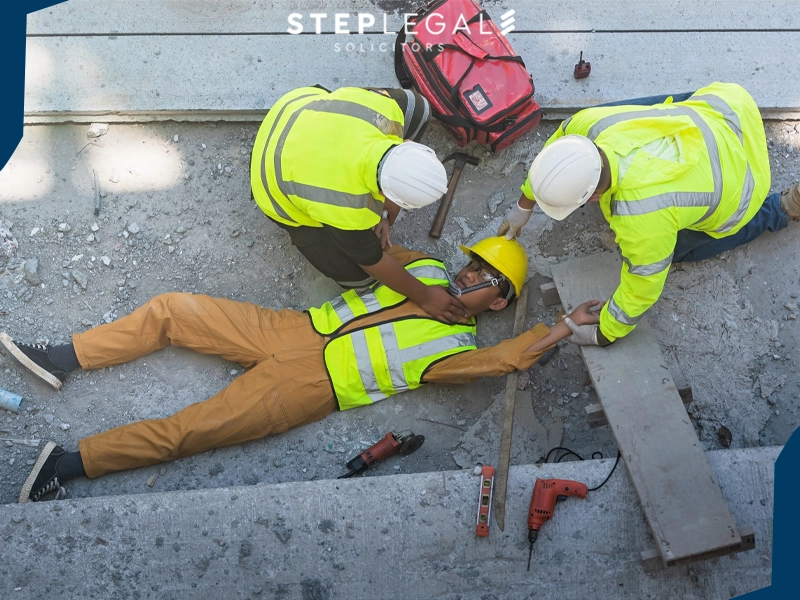
Building sites pose significant safety risks, including working at height, operating heavy machinery, falling objects, and unsafe walkways. When an accident occurs, injuries can have lasting effects on a person’s health, ability to work, and financial situation.
If you have been injured on a construction site, you may be entitled to make a personal injury claim. Understanding who may be responsible, what evidence you need, and how the claims process works can help you decide on your next steps.
What Accidents Can Lead to a Claim?
Construction site accidents can happen in various circumstances, including:
- Falls from scaffolding, ladders or roofs.
- Slips and trips caused by debris, uneven surfaces or trailing cables.
- Injuries from falling tools or building materials.
- Accidents involving machinery, vehicles or defective equipment.
- Electrical injuries and structural collapses.
An accident alone does not establish liability. A claim will generally depend on whether another party breached a legal duty and whether that breach caused or contributed to the injury.
Who Could Be Responsible?
Several parties may have responsibility for construction site safety, depending on their role in the project. These may include employers, main contractors, subcontractors, site operators, or equipment manufacturers.
For example, an employer may be responsible if inadequate training or unsafe working practices contributed to an injury. A contractor could potentially be liable if defective scaffolding or poorly managed site conditions caused an accident.
In some cases, more than one party may share responsibility. Establishing liability requires an assessment of the circumstances and the evidence available.
What Should You Do After an Accident?
If you are injured on a construction site, consider taking the following steps:
- Seek medical attention. Obtain appropriate treatment and keep records of your injuries and recovery.
- Report the accident. Notify your employer, site manager or the person responsible for the premises, and ensure the incident is recorded.
- Gather evidence. Where safe to do so, take photographs, collect witness details and retain relevant accident reports.
- Keep records of losses. Save payslips, receipts and other documents relating to lost earnings, treatment costs and additional expenses.
Construction sites can change quickly, so preserving evidence early may be particularly important.
Can You Claim If You Were Injured at Work?
You may be able to claim compensation if your injury resulted from another party’s failure to meet its legal obligations.
In England and Wales, employers have duties under health and safety legislation, including the Health and Safety at Work etc. Act 1974. Other regulations may apply to specific hazards, such as using work equipment or working at height, namely the Work at Height Regulations 2005. Claims are also often actionable under the Occupiers Liability Act 1957, particularly where there is a more complex employer relationship, or you were a lawful visitor to the site with no employment ties to the site.
Making a mistake does not automatically prevent you from claiming. However, if your own actions contributed to the accident, compensation may be reduced to reflect your share of responsibility, through something now as contributory negligence.
To summarise, even if you were not an employee of the site owner, such as where you are a self-employed worker, subcontractor, visitor, or member of the public, you can have grounds for a claim, depending on the circumstances and the duties owed to you.
How Much Compensation Could You Receive?
The amount of compensation depends on the severity of the injury, its impact on daily life and any resulting financial losses.
Compensation generally covers two categories:
- General damages: Compensation for pain, suffering and loss of amenity.
- Special damages: Financial losses, such as lost earnings, medical expenses, travel costs and care needs.
Medical evidence and supporting financial documents help establish the value of a claim. Serious injuries may also involve future treatment costs or reduced earning capacity.
How Long Do You Have to Make a Claim?
In England and Wales, the general limitation period for personal injury claims is three years from the date of the accident or, in some circumstances, the date of knowledge of the injury and its cause.
Exceptions apply, including for children and certain people who lack mental capacity.
Seeking legal advice promptly can help protect your position and ensure important evidence is not lost.
What Does the Claims Process Involve?
A construction site accident claim typically involves investigating the accident, identifying potentially responsible parties, gathering medical and financial evidence, and assessing the compensation sought.
The claim may then proceed through negotiations with the relevant parties or their insurers. If liability or compensation remains disputed, court proceedings may be necessary.
The timescale depends on factors such as the severity of the injury, the complexity of the investigation and whether liability is admitted in full or contested.
Getting Advice After a Construction Site Accident
A construction site injury can affect your health, income and ability to return to work. Understanding your legal options can help you make informed decisions about what to do next.
If you have been injured, prioritise medical treatment, preserve relevant evidence and consider seeking advice from a personal injury solicitor. They can assess the circumstances, explain the applicable time limits and help establish whether you may have grounds for a claim.
Every case is different, and the outcome will depend on the evidence and the legal duties involved.
Speak to one of Step Legal’s specialist lawyers today on 0800 195 6412 to see whether you’ve got a claim.