School Accident Claims: Can You Claim Compensation If Your Child Is Injured at School?
When a child is injured at school, parents may understandably question whether the accident could have been prevented and whether someone is legally responsible.
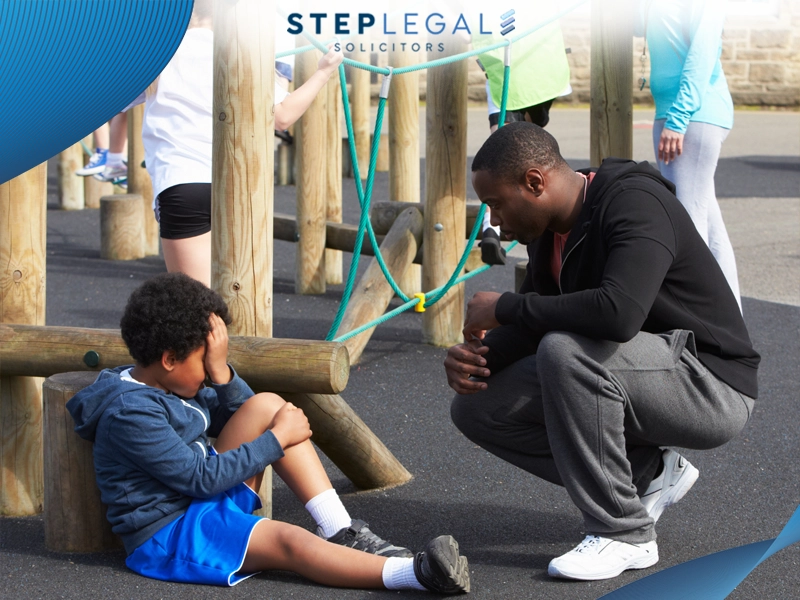
School accidents can happen in many ways, from falls caused by unsafe premises to injuries during PE lessons or incidents involving other pupils. While not every accident is avoidable, injuries caused by negligence or a failure to take reasonable safety precautions may give rise to a personal injury claim.
Can you claim compensation for an accident at school?
Potentially, yes. This guide explains the types of injuries children can suffer, when a claim may be possible, and what parents should know about the claims process.
Can You Claim Compensation for an Accident at School?
A claim may be possible if a child was injured because a school or another responsible party failed to take reasonable care.
Generally, it will be necessary to establish that a relevant duty of care was breached, that the breach caused the injury and that the child suffered a legally recognised injury or loss.
For example, a child who breaks their arm after tripping over a damaged floor may have grounds for a claim if the hazard should reasonably have been identified and addressed.
However, schools are not automatically liable for every accident. The circumstances and evidence must be considered to establish whether negligence occurred.
What Types of Injuries Can Happen at School?
Children can suffer a wide range of injuries at school, ranging from minor cuts and bruises to serious injuries requiring ongoing treatment.
Head Injuries and Concussions
Head injuries can occur following falls, collisions during PE, or accidents involving playground equipment. These may include concussion, facial injuries, skull fractures, and, in serious cases, traumatic brain injuries.
A claim may be possible if the injury resulted from a preventable hazard, defective equipment or inadequate supervision. The severity of the injury and any lasting symptoms will be important when assessing compensation.
Fractures and Broken Bones
Falls, sports accidents and collisions can cause fractures to the arms, wrists, legs, ankles and other bones.
Some fractures heal with straightforward treatment, while others require surgery, rehabilitation or an extended recovery period. Where negligence caused the accident, compensation may reflect the injury, treatment and impact on the child’s everyday activities.
Cuts, Bruises and Soft Tissue Injuries
Children may suffer cuts, lacerations, bruising, sprains and muscle injuries following falls, collisions or contact with damaged equipment.
More serious wounds can cause permanent scarring or damage to nerves and tendons. Whether a claim is possible depends on how the injury occurred and whether reasonable precautions were taken.
Back, Neck and Spinal Injuries
Falls from playground equipment, serious collisions, and other accidents can cause back or neck injuries, ranging from muscle strains to spinal fractures and nerve damage.
Serious spinal injuries may have long-term consequences for mobility and independence. A claim may be possible where negligence caused the accident, with medical evidence helping establish the injury’s severity and prognosis.
Dental, Facial and Eye Injuries
Falls, assaults and accidents during school activities can cause chipped or knocked-out teeth, facial fractures, scarring and eye injuries.
These injuries may require dental treatment, surgery or ongoing medical care. In more serious cases, they can affect appearance, vision or everyday activities.
Burns and Injuries During Practical Lessons
Science experiments, food technology lessons and workshop activities may involve heat, chemicals, tools or specialist equipment.
Inadequate safety precautions, defective equipment or unsuitable supervision may contribute to burns, chemical injuries, cuts and other harm.
The circumstances of the lesson, the equipment involved and the precautions taken will be relevant when determining whether a claim may be appropriate.
Psychological Injuries and Bullying
School incidents can also cause psychological harm. A serious accident, physical assault or repeated bullying may contribute to anxiety or other psychological difficulties.
A claim may be possible in appropriate circumstances, particularly where a foreseeable risk was not reasonably addressed. However, a personal injury claim involving psychological harm may require medical evidence of a recognised psychiatric injury and consideration of the applicable legal requirements.
Injuries Caused by Other Pupils
Children may be injured when another pupil pushes, strikes or deliberately assaults them. They may also suffer harm through accidental collisions during ordinary play.
A school is not automatically responsible for every incident between pupils. However, a claim may be worth investigating if the school failed to take reasonable steps to address a foreseeable risk, such as repeated physical bullying or known dangerous behaviour.
What Can Cause a School Accident?
A potential claim may arise from circumstances such as:
- Unsafe premises: Wet floors, damaged stairs, uneven playground surfaces or poorly maintained facilities.
- Inadequate supervision: A failure to provide reasonable supervision during activities or school trips.
- Defective equipment: Faulty playground equipment, sports apparatus or classroom fixtures.
- Unsafe activities: A failure to take appropriate precautions during PE, science lessons or practical activities.
- Incidents involving pupils: A failure to address a foreseeable risk of injury from bullying or dangerous behaviour.
The central issue is whether a relevant duty was breached and whether that breach caused the injury.
Who Is Responsible for a School Accident?
Depending on the circumstances, responsibility may rest with the school, an academy trust, a local authority, a property owner, a maintenance contractor or an external activity provider.
For example, an injury caused by defective playground equipment may involve different responsibilities from an injury sustained during an activity organised by an external provider.
Identifying the correct party requires consideration of who was responsible for the relevant premises, equipment or safety arrangements.
What Should You Do If Your Child Is Injured at School?
If your child has suffered an injury, the following steps may help:
- Seek medical attention. Ensure your child receives appropriate treatment and keep relevant medical records.
- Report the accident. Ask the school to record the incident and explain what happened.
- Preserve evidence. Keep photographs, correspondence, witness details and any available accident reports.
- Request preservation of CCTV. If footage may have captured the accident, act promptly because it may be deleted under routine retention policies.
- Record the impact. Keep notes of symptoms, treatment, missed activities and additional expenses.
- Consider legal advice. A solicitor can assess whether the circumstances suggest a potential claim.
How Much Compensation Can You Claim for a School Injury?
There is no fixed amount of compensation for a school accident. The value of a successful claim depends on the injury’s severity, recovery period and impact on the child’s life.
Compensation may include:
- General damages: For pain, suffering and loss of amenity.
- Special damages: For qualifying financial losses, such as reasonable treatment costs, travel expenses and additional care.
Medical evidence is often important in assessing the injury and its likely long-term effects. Compensation is only payable if the legal requirements for a claim are satisfied.
Can a Parent Claim on Behalf of a Child?
Yes. In England and Wales, a parent or another appropriate adult can generally bring a claim on behalf of an injured child.
A child under 18 will normally need a litigation friend to conduct court proceedings, unless the court makes a different arrangement. A settlement on behalf of a child will generally require court approval.
What Is the Time Limit for a School Accident Claim?
For many personal injury claims in England and Wales, the general limitation period is three years from the accident or, in certain circumstances, the date of knowledge.
For a child injured before turning 18, the usual three-year limitation period generally does not begin until their 18th birthday. Subject to applicable rules and exceptions, the child will usually have until their 21st birthday to commence court proceedings.
However, it is sensible to seek advice promptly because evidence can become harder to obtain over time and different rules may apply in particular circumstances. Ultimately, delay can defeat equity.
Conclusion: School Accident Claims
Children can suffer many types of injuries at school, including fractures, head injuries, burns, dental injuries, scarring and psychological harm. Whether compensation can be claimed depends on how the injury occurred and whether negligence or another legally actionable breach of duty can be established.
If you believe your child’s injury could have been prevented, Step Legal Solicitors can help you understand the legal considerations and assess whether a personal injury claim may be appropriate.
Call us on 0800 195 6412 today or submit the details of your matter here
Potentially, if the fracture resulted from negligence, such as a preventable hazard or defective equipment. The injury alone does not establish liability.
Possibly. The circumstances, any foreseeable risk and the school’s response will be relevant when assessing whether a claim against the school may succeed.
No. A claim generally requires evidence of a relevant breach of duty and a sufficient connection between that breach and the injury.
No. Some claims can be settled through agreement, although court proceedings may be necessary if liability or compensation is disputed. Settlements involving children generally require court approval.