Manual Handling Injuries: Types, Causes and Risks Guide
Work-related physical strain is one of the most common causes of injury across different industries. It happens when the body is repeatedly exposed to lifting, carrying, pushing, pulling, or holding tasks that exceed its natural capacity. While these activities are a normal part of many jobs, they can place significant stress on muscles, joints, ligaments and the spine when performed incorrectly or for long durations.
The impact of these injuries is not always immediate. In many cases, small amounts of strain accumulate over time until the body can no longer cope with the pressure. This is why workers may continue their duties without realising that internal damage is gradually developing. By the time pain becomes noticeable, the condition may already require medical attention.
These injuries are not limited to physically demanding jobs. Even in less strenuous environments, occasional lifting of heavy objects or awkward movement in confined spaces can lead to strain. This makes awareness important for all types of workers, not just those in manual labor roles.
How Do These Injuries Develop During Physical Work Tasks?
These injuries usually develop when the body is forced to move beyond its safe physical limits. This often occurs during tasks that involve improper lifting technique, repetitive motion, or sudden force.
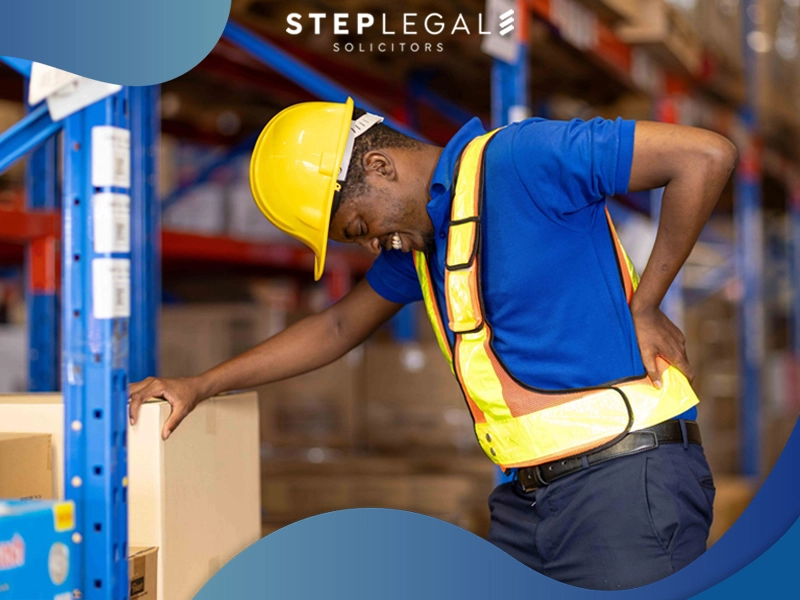
One of the most common causes is incorrect posture during lifting. When a person bends at the waist instead of using the legs, excessive pressure is placed on the lower back. If twisting or jerking movements are added, the risk of tissue damage increases significantly.
Repetition is another major factor. Even if each individual movement seems harmless, performing the same action hundreds of times can create microscopic damage in muscles and tendons. Over time, this leads to inflammation, stiffness and reduced mobility.
Environmental conditions can also contribute. Poor lighting, uneven flooring, or restricted space can force the body into unnatural positions, increasing strain and reducing stability. In such conditions, even a light object can become hazardous
Key Factors That Contribute to Workplace Injury Risks
Several factors influence the likelihood of injury during physical work tasks. These can be grouped into physical, environmental and organisational causes.
Physical factors include heavy loads, awkward body positions, sudden movements and fatigue. When the body is tired, its ability to control movement decreases, making injury more likely.
Environmental factors relate to the workspace itself. Slippery surfaces, poor visibility, tight spaces, or unstable ground can all increase the chance of accidents. These conditions make it harder to maintain balance and proper posture during lifting or carrying.
Organizational factors are often overlooked but highly important. Lack of proper training, insufficient rest periods, poor supervision, inadequate equipment and unrealistic workload expectations all contribute to unsafe working conditions. When employees are rushed or untrained, they are more likely to make mistakes that lead to injury.
Which Workers Face the Highest Level of Risk?
Certain groups of workers are more vulnerable to physical strain injuries due to the nature of their job roles. People working in construction, warehousing, logistics, manufacturing and healthcare face the highest exposure because they frequently handle heavy or awkward loads.
New employees are also at greater risk because they may not yet be familiar with safe movement techniques or workplace hazards. Without proper training, they may unknowingly place excessive stress on their bodies.
Older workers may experience higher vulnerability due to reduced muscle strength and slower recovery rates. Previous injuries can also increase risk, as weakened areas are more likely to be reinjured under stress.
Even office-based workers are not completely protected. Occasional tasks such as moving office equipment, lifting storage boxes, or rearranging furniture can still result in strain if done incorrectly.
Early Warning Signs That Should Not Be Ignored
In the early stages, symptoms are often mild and easy to dismiss. A person may feel slight discomfort after physical activity, temporary stiffness, or general muscle fatigue. These early signs are the body’s way of indicating that it is under stress.
If ignored, these symptoms can gradually worsen. Pain may become more consistent and begin to interfere with movement. Swelling or tenderness may appear in specific areas such as the back, shoulders, or wrists.
In more advanced stages, nerve problems might transpire. This can result in tingling sensations, numbness, or weakness in the affected area. At this point, the condition is more serious and requires medical evaluation.
Difference Between Sudden and Gradual Injury Development
Injuries can develop in two main ways: suddenly or over time.
Sudden injuries usually occur due to a specific incident such as lifting a heavy object incorrectly, slipping while carrying a load, or making a sudden movement under pressure. These injuries are often immediately noticeable and can be severe.
Gradual injuries develop slowly as a result of repeated strain on the same part of the body. Small amounts of damage accumulate over time until they eventually cause pain or dysfunction. These injuries are more dangerous in some ways because they are often ignored until they become severe.
Common Types of Injuries Linked to Physical Work Activities
Physical work can affect different parts of the body depending on the type of activity performed. The most common issues include:
- Muscle strains,
- Ligament sprains,
- Joint inflammation,
- Repetitive strain conditions,
- Spinal injuries
- Impact-related trauma.
Each type of injury varies in severity. Some may resolve with rest and care, while others may require long-term treatment and rehabilitation. In severe cases, permanent damage may occur, especially when the spine or nerves are involved.
Long-Term Consequences of Work-Related Physical Injuries
The long-term effects of these injuries can significantly impact physical health, psychological wellbeing and quality of life. Chronic pain is one of the most common outcomes, particularly in the back and shoulders. This pain may persist for years and limit daily activities.
Reduced strength and mobility can also occur, making it difficult for individuals to continue in physically demanding roles. In some cases, this may lead to career changes or long-term absence from work.
There can also be psychological effects. Continuous pain and physical limitation may lead to stress, frustration, reduced confidence and depression. Over time, this can affect overall well-being and lifestyle.
How Different Physical Work Injuries Impact the Body
Not all injuries caused by physical work tasks affect the body in the same way. Different tissues respond differently to stress depending on how the load is applied and how often the movement is repeated. Muscles can tear under sudden force, ligaments may overstretch when joints move beyond their limits and tendons can become inflamed when overused.
The overall effect on the body depends on several factors, including how heavy the load is, the posture used during movement, how frequently the task is repeated and how long the body is exposed to strain. In many situations, more than one part of the body is affected at the same time, which makes recovery more complex.
These conditions are often not caused by a single mistake. Instead, they develop gradually as stress builds up over time. Once the body reaches a point where it can no longer handle the load, even a small movement can result in noticeable pain or injury.
Why Musculoskeletal Conditions Are So Common in Physical Work
Musculoskeletal conditions are among the most frequent health issues linked to physically demanding tasks. They affect the structures that allow movement and support, including muscles, joints, tendons, ligaments and bones.
These conditions usually develop slowly due to repeated effort without enough recovery time. Unlike sudden injuries, they progress over time, often starting with mild discomfort that gradually becomes more serious if not addressed.
In many work environments, the same physical actions are performed repeatedly. Tasks such as lifting, bending, reaching and carrying may not seem harmful at first, but repetition places continuous stress on specific muscle groups. This leads to inflammation, stiffness and reduced flexibility.
Examples of such conditions include tendon irritation, joint stiffness and nerve compression problems. Issues like wrist-related nerve pressure or tendon inflammation are common when repetitive gripping or lifting is involved.
One of the main reasons these conditions are widespread is that they develop quietly. Early symptoms are often ignored, allowing the condition to worsen over time and eventually interfere with daily activities and work performance.
How Spinal and Lower Back Problems Develop
The spine plays a central role in supporting body weight and enabling movement, which makes it highly vulnerable during physical tasks. The lower back, in particular, carries a large portion of this load during lifting and bending activities.
When lifting is done incorrectly, the pressure on spinal discs and surrounding muscles increases significantly. This can lead to muscle strain, which occurs when the supporting muscles are stretched beyond their capacity. Pain and stiffness often follow, making movement difficult.
More serious conditions can also develop, such as disc-related problems where internal pressure causes structural damage. This may lead to nerve irritation, resulting in sharp pain, weakness, or sensations that travel down the legs.
These types of problems are concerning because they can become long-term conditions. Once the structure of the spine is affected, full recovery may take time and in some cases, complete healing may not occur.
Understanding Muscle, Tendon and Ligament Damage
Soft tissue damage is one of the most common outcomes of physical strain. This includes injuries to muscles, tendons and ligaments, each of which plays a different role in movement and stability.
Ligaments connect bones and help stabilize joints. When a joint is forced beyond its natural range, these structures can stretch or tear. This often happens during sudden slips or awkward movements.
Muscles and tendons are responsible for movement. When they are overloaded or stretched too quickly, small tears can occur within the tissue. This leads to pain, swelling and reduced strength.
The severity of these injuries can vary. Some may cause only mild discomfort, while others can significantly limit movement and require extended recovery. One challenge is that these injuries can easily recur if the affected area is not fully healed or if proper movement techniques are not followed afterward.
Why Repetitive Movements Lead to Ongoing Problems
Repeated motion is one of the most underestimated causes of injury. When the same body part is used continuously without adequate rest, stress builds up in muscles and tendons.
Initially, this may only cause mild discomfort or fatigue. However, as the repetition continues, inflammation develops and the affected area becomes more sensitive. Over time, this can lead to persistent pain and reduced function.
Conditions linked to repetitive movement often affect areas such as the wrist, elbow and shoulder. These problems can reduce grip strength, limit movement and make everyday tasks more difficult.
One of the main issues is that people often continue working despite early symptoms. This delays treatment and allows the condition to progress further, making recovery longer and more challenging.
How Shoulder Problems Develop From Repeated Lifting
The shoulder is one of the most flexible joints in the body, which also makes it more vulnerable to strain. Tasks that involve lifting or carrying objects above shoulder level place significant stress on this joint.
Over time, the tissues that support shoulder movement can become irritated or damaged. This may lead to inflammation, weakness and reduced range of motion.
Certain conditions can develop when repeated stress is placed on this area. These include problems where tendons are compressed during movement or situations where mobility becomes restricted due to prolonged strain.
Shoulder-related issues can have a major impact on daily life because they limit upper body movement and make it difficult to perform even simple tasks.
How Lower Body Stress Leads to Knee and Leg Issues
The lower body plays a key role in supporting weight and maintaining balance during lifting tasks. However, it is often placed under significant pressure when posture is incorrect or loads are uneven.
The knees are especially vulnerable when movements involve twisting, deep bending, or carrying weight without proper alignment. Damage can occur in the structures that cushion and stabilize the joint, leading to pain and instability.
Repeated stress on the lower body can also lead to long-term wear and tear. This is particularly common in jobs that require constant standing, squatting, or heavy lifting.
When these conditions develop, they can affect mobility and make it difficult to walk, stand, or perform work-related tasks comfortably.
When High-Impact Incidents Cause Serious Damage
More severe injuries can occur when there is a sudden impact or accident during physical work. This may involve dropping heavy objects, falling while carrying a load, or being caught between equipment.
Such incidents can result in broken bones or deep tissue damage. In more extreme cases, parts of the body may be compressed under heavy force, leading to serious complications.
These injuries usually require immediate medical attention and can involve long recovery periods. In some cases, they may lead to permanent limitations depending on the severity of the damage.
Why Minor Injuries Should Not Be Overlooked
Smaller injuries such as cuts, bruises and surface damage are often ignored because they appear less serious. However, repeated minor injuries can still have long-term effects.
Frequent minor damage can weaken the body’s natural protective barriers and increase the risk of infection. It may also indicate that tasks are being performed unsafely or that proper precautions are not being followed.
Over time, these small warning signs can point to underlying problems in the work environment. Addressing them early helps prevent more serious injuries from developing later.
What Should You Do Right After an Injury Happens?
When an injury occurs during a physical task, the first response plays a crucial role in preventing further damage. The immediate priority should always be to stop the activity and avoid placing any additional stress on the affected area.
In situations where the discomfort is mild, resting the injured part is essential. Continuing to work despite pain often worsens the condition and can turn a minor issue into a more serious injury. If swelling or tenderness is present, applying a cold compress can help control inflammation in the early stages.
In more serious situations, such as intense pain, difficulty moving, or signs of a possible fracture, medical attention should be sought without delay. Ignoring such symptoms can lead to complications that may take much longer to recover from.
It is equally important to report the incident through proper workplace channels. This not only ensures that the individual receives appropriate support but also helps identify risks that could be prevented in the future.
How Are These Injuries Properly Assessed and Managed?
The process of identifying and treating these conditions usually begins with a physical examination. A medical professional evaluates pain levels, joint movement, swelling and overall functionality of the affected area.
In cases where the damage is not clearly visible, additional diagnostic tools may be used. Imaging techniques such as X-rays or scans help detect internal issues like bone damage, soft tissue tears, or joint problems.
Treatment approaches vary depending on the severity of the condition. Minor issues often improve with rest, controlled movement and pain management. Rehabilitation exercises are commonly recommended to restore strength and flexibility.
More serious cases may require extended recovery plans. This can include structured physiotherapy programmes or, in some situations, surgical procedures. Recovery timelines differ from person to person, but severe conditions often take longer and require consistent care.
Even after initial recovery, some individuals may need ongoing management to prevent the condition from returning or worsening over time.
Why Is Prevention More Effective Than Treatment?
Preventing injuries is always more effective than dealing with their consequences. Many of these conditions develop due to avoidable factors, which means they can be reduced significantly with the right approach.
One of the most effective preventive measures is using proper movement techniques. Keeping the body aligned, using leg strength instead of the back and avoiding sudden twisting motions can greatly reduce stress on muscles and joints.
Awareness also plays a key role. When individuals understand how injuries occur, they are more likely to recognise risky situations and take precautions. Education and training help reinforce safe habits in everyday tasks.
Another important aspect is understanding personal limits. Ignoring these limits, especially during repetitive tasks, increases the likelihood of long-term damage.
How Can Workplace Setup Help Reduce Physical Strain?
The design of a workspace has a direct impact on how safely tasks can be performed. A well-organised environment minimises unnecessary movement and reduces the physical effort required to complete tasks.
For example, keeping frequently used items within easy reach helps avoid excessive bending or stretching. Adjustable workstations allow individuals to maintain a comfortable posture, reducing pressure on the body.
Floor conditions also matter. Non-slip surfaces reduce the risk of losing balance, while proper lighting improves visibility and reduces mistakes during movement.
In situations where heavy lifting cannot be avoided, the use of equipment such as trolleys or lifting devices can make a significant difference. These tools reduce the load on the body and help perform tasks more efficiently and safely.
Why Is Proper Training So Important for Safety?
Training is essential because it equips individuals with the knowledge needed to perform tasks safely. Without proper guidance, people may rely on incorrect techniques that increase the risk of injury.
Effective training focuses on posture, safe movement patterns and awareness of potential hazards. It also helps individuals recognise early warning signs, allowing them to take action before a condition becomes serious.
Over time, habits can change, which is why refresher training is important. Reinforcing correct practices ensures that safety remains a consistent priority.
Training also encourages a shared sense of responsibility. When everyone understands the importance of workplace safety, the overall risk within the environment decreases.
What Role Do Employers Play in Ensuring Safety?
Employers have a major role in creating a safe working environment. Their responsibilities go beyond simply assigning tasks; they must ensure that those tasks can be performed without unnecessary risk.
One of the key responsibilities is identifying potential hazards. This involves assessing tasks and determining whether they could cause harm. Once risks are identified, steps must be taken to reduce or eliminate them.
Providing the right tools and equipment is equally important. When tasks involve heavy or repetitive work, support systems should be in place to reduce physical strain.
Workload management is another critical factor. When employees are rushed or overworked, they are more likely to take shortcuts or use unsafe methods. Maintaining realistic expectations helps reduce this pressure.
What Are the Long-Term Consequences of Unsafe Practices?
Ignoring safe practices can lead to serious long-term effects. One of the most common outcomes is ongoing pain, particularly in areas such as the back, shoulders and joints. This pain can interfere with daily life and limit physical activity.
Over time, reduced strength and flexibility may develop, making it difficult to continue in physically demanding roles. In some cases, individuals may need to change their line of work due to these limitations.
Severe conditions can result in permanent damage, especially when the spine or major joints are involved. This can have a lasting impact on both personal and professional life.
From an organisational perspective, unsafe practices can lead to increased absences, reduced productivity and higher costs related to healthcare and compensation. A safe environment not only protects individuals but also supports overall efficiency and performance.
Frequently Asked Questions
What are these workplace injuries and how do they actually happen?
These injuries occur when a person lifts, carries, pushes, or pulls objects incorrectly or beyond their physical capability. They usually happen due to poor posture, excessive load, repetitive movements, or unsafe working conditions. Over time, these actions place stress on muscles, joints, ligaments and sometimes nerves, leading to pain or long-term damage.
Which injury is seen most often in physically demanding jobs?
The most commonly affected area is the lower back. This is because it carries most of the body’s load during lifting and movement. When incorrect techniques are used, pressure builds up on spinal discs and surrounding muscles, often resulting in strain or stiffness.
Is full recovery possible after such injuries?
Recovery depends on how severe the damage is and how early treatment begins. Mild muscle or ligament injuries often heal completely with rest and physiotherapy. However, severe conditions involving the spine, nerves, or joints may cause long-term effects.
How long does recovery usually take?
Healing time varies widely. Minor injuries may improve within days or weeks, while moderate cases can take several weeks of rest and rehabilitation. Serious injuries may require months of treatment and ongoing physical therapy.
What steps can reduce the risk of these injuries at work?
Risk can be reduced by using correct lifting techniques, avoiding unnecessary strain and keeping loads within safe limits. Workplace design also plays a major role, including ergonomics and lifting aids.
Who is most vulnerable to these types of injuries?
People in physically demanding roles such as construction, warehousing, healthcare, and logistics are most at risk. However, anyone performing repetitive physical tasks incorrectly can be affected.
What early signs should not be ignored?
Early signs often include mild pain, muscle tightness, fatigue, or stiffness after physical activity. Ignoring these signs can lead to more serious long-term damage.
What should be done immediately after an injury occurs?
The first step is to stop the activity immediately to prevent further damage. Resting the affected area and using a cold compress can help reduce swelling. If pain is severe, medical attention should be sought without delay.Can these injuries become long-term or permanent?
Yes, if not treated properly or if the person continues to strain the injured area, the condition can become chronic. Some injuries involving the spine, nerves, or joints may lead to permanent limitations.