Understanding the Certificate of Title in Conveyancing
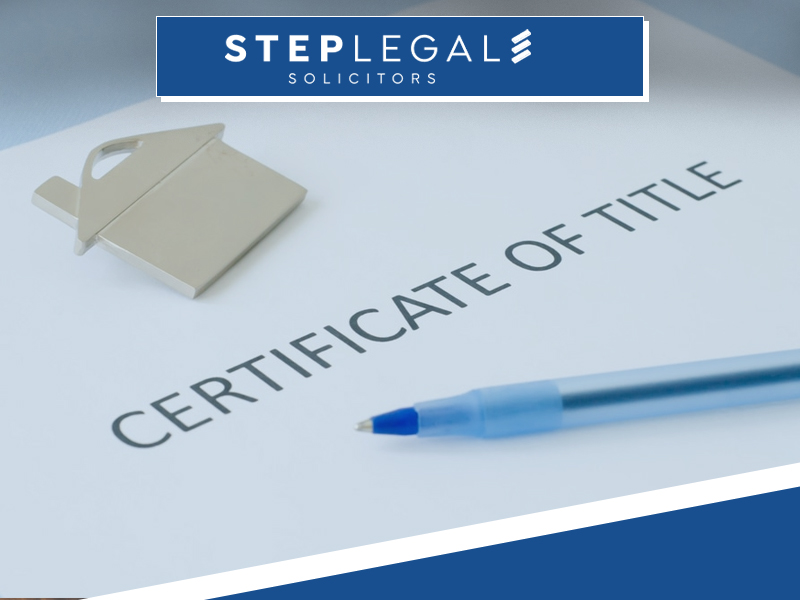
A certificate of title is a foundational document in property law and conveyancing that confirms ownership of a property. In real estate transactions, conveyancing is the legal process of transferring property from one person to another, and the certificate of title serves as primary evidence that a seller has legal title to the property they intend to transfer. It is essentially a declaration, often prepared by a solicitor or legal professional, that verifies the identity of the owner, the property boundaries, and any existing encumbrances, such as mortgages or easements. In practical terms, this document assures both the buyer and the lender that the property is legally transferable and free from disputes that could hinder the transaction.
The certificate of title not only represents ownership but also functions as a legal safeguard. It provides a clear record of who holds the legal interest in the property, which is particularly important in jurisdictions where property disputes or fraudulent transactions can occur. Conveyancers rely on this certificate to ensure that every sale or transfer complies with the law and that the buyer receives clear, uncontested ownership. Without it, the entire transaction could be rendered uncertain, exposing all parties to potential legal challenges.
Purpose of a Certificate of Title
The purpose of a certificate of title extends beyond mere confirmation of ownership. Its primary function is to certify that the title is good and marketable, meaning it is legally valid and can be sold or mortgaged without any hidden complications. The certificate provides confidence to prospective buyers, lenders, and legal representatives that the property can be legally transferred. It protects against claims from previous owners or third parties who might assert an interest in the property. Essentially, it is a tool for risk management in real estate transactions.
In practice, the certificate allows a solicitor or conveyancer to carry out due diligence. It ensures that all legal requirements for the transfer of property are met, that there are no undisclosed liens or charges, and that the seller’s claim to the property is legitimate. For lenders, the certificate confirms that their collateral, the property being financed, is free of legal disputes or encumbrances that might compromise the security of their loan.
Additionally, the certificate of title facilitates the orderly recording of property ownership within the public land registry or equivalent system. This helps maintain accurate, up-to-date records, which are crucial for both legal clarity and long-term property management.
Why Is a Certificate of Title Required?
A certificate of title is required in property transactions primarily to provide certainty and assurance. Buyers need it to confirm that the person selling the property actually has the legal right to do so. Lenders require it as a safeguard to ensure that the property they are financing is legally sound and unencumbered, or at least that any encumbrances are properly disclosed. Conveyancers and solicitors rely on it to certify that the transfer can proceed without unforeseen legal challenges.
In conveyancing, the absence of a certificate of title can significantly complicate or even halt a transaction. Without it, there is no verified assurance of ownership, and the risk of purchasing a property with disputed claims or unresolved encumbrances rises substantially. The certificate, therefore, functions as both a legal and practical requirement, underpinning the reliability and safety of property transactions.
It also plays a role in preventing fraud. Real estate fraud often involves selling property without valid ownership or concealing prior claims. The certificate of title, when properly issued and verified, acts as a safeguard against such fraud, giving both buyers and lenders confidence that the transaction is legitimate.
Certifying Good and Marketable Title
One of the central purposes of a certificate of title is to certify that the property’s title is good and marketable. This means the ownership is legally valid, free from defects, and capable of being transferred. The term “marketable” implies that the title is acceptable to a reasonable buyer and can be used as security for financing. A good and marketable title is essential for maintaining the integrity of property markets, ensuring that properties can be sold, mortgaged, or leased without risk of dispute.
Solicitors or conveyancers assess the title by reviewing historical ownership records, identifying any existing liens or claims, and confirming compliance with local property laws. The certificate they provide reflects this assessment, effectively guaranteeing to the buyer or lender that the property can be confidently acquired or financed.
Without this certification, buyers and lenders would face significant uncertainty. Even minor unresolved claims, such as unpaid taxes, easements, or competing ownership claims, could compromise the property’s value or legal standing. By certifying a good and marketable title, the certificate establishes a legal and financial foundation for all subsequent transactions related to the property.
Solicitor Certifying Title to Lender
In many property transactions, particularly those involving financing, the solicitor plays a pivotal role in certifying title to the lender. Before a lender releases funds for a mortgage or loan, they require assurance that the property offered as security is legally sound. The solicitor examines the title, reviews all encumbrances, and confirms that the title is free from legal disputes that could jeopardize the lender’s interest. This process is essential for mitigating risk and providing confidence that the collateral is secure.
The solicitor’s certification is both a legal and practical form of reassurance. It allows lenders to proceed with financing without conducting exhaustive independent verification themselves. While the certification does not transfer ownership, it formally confirms that the property is legally fit to serve as security for the loan. This step is particularly important in commercial property transactions, high-value sales, or cases where multiple encumbrances might exist.
Confirming Title Is Good and Marketable
Beyond the lender’s perspective, confirming that the title is good and marketable serves multiple stakeholders. For buyers, it ensures that the property they are acquiring is free from legal complications. For sellers, it facilitates smooth transactions by providing a clear, documented assurance that the title can be transferred. For lenders, it confirms the reliability of the collateral being used for financing. This confirmation is central to the integrity and efficiency of the conveyancing process.
The solicitor or conveyancer’s review includes examining historical records, checking for unpaid taxes or utility charges, and assessing any legal encumbrances. Once this process is complete, the certificate of title formally confirms that the property meets all legal and marketability requirements, allowing all parties to proceed confidently with the transaction.
How Does a Certificate of Title Function in a Mortgage Transaction?
When a property buyer applies for a mortgage, the certificate of title becomes a crucial document in the lender’s assessment of risk. In this context, the certificate of title for mortgage purposes acts as legal confirmation that the property is owned by the borrower, free of any undisclosed legal claims that could jeopardize the lender’s security. Conveyancing solicitors are responsible for preparing and certifying this document, ensuring that all aspects of ownership, encumbrances, and restrictions are properly recorded.
For lenders, the certificate of title provides confidence that the property can serve as collateral for the mortgage advance. Without it, there is no formal verification that the lender’s interest is secure. The certificate covers not only ownership but also any existing mortgages, easements, or liens, allowing the lender to make informed decisions about advancing funds.
Why Is a Certificate of Title Necessary Before Mortgage Funds Are Released?
Before any mortgage funds are released, lenders require assurance that the property title is legally sound. This is where the certificate of title for mortgage funds comes into play. It verifies that the borrower legally owns the property, that all prior charges or encumbrances have been addressed, and that the property can legally secure the mortgage advance. Essentially, it acts as a green light for the lender, allowing them to release funds with minimal risk.
The timing of this certification is also critical. Mortgage funds are typically requested through the mortgage advance request process, and the lender relies on the solicitor’s certificate to confirm the property’s legal status. The certificate ensures compliance with the lender’s conditions and protects both the borrower and the lender from potential disputes.
What Is the Mortgage Advance Request Process?
The mortgage advance request process begins once the sale agreement is in place and the solicitor has reviewed all property documentation. The buyer’s solicitor submits a formal request to the lender, accompanied by the certificate of title and other supporting documents. This submission confirms that the title meets the lender’s requirements and that the transaction is ready to proceed.
During this process, the lender examines the certificate to ensure that all conditions of the mortgage offer have been met. Any outstanding matters, such as unpaid taxes or unresolved encumbrances, can delay the release of funds. Solicitors play a critical role in this stage by coordinating between the buyer and lender, resolving any issues, and certifying that the property is fit to act as security for the mortgage.
When Is the Certificate of Title Typically Sent to the Lender?
The certificate of title is generally sent once the solicitor has completed their due diligence and is satisfied that the title is free from defects that could affect the lender’s security. This typically occurs just before completion, after searches have been carried out, encumbrances addressed, and legal requirements fulfilled.
Sending the certificate at this stage allows the lender to prepare for the release of funds, knowing that the property legally meets all conditions for mortgage security. It also signals that the transaction is progressing toward completion, providing both the borrower and lender with a clear timeline for the next steps.
How Long After the Certificate of Title Are Mortgage Funds Released?
The release of mortgage funds usually occurs shortly after the lender receives the certificate of title, but the exact timing depends on the lender’s internal processes and any outstanding conditions. Some lenders release funds the same day the certificate is received, while others may take several business days to review documentation and confirm compliance.
Factors affecting timing include verification of compliance with lender instructions, review of any professional undertakings by the solicitor, and final checks against the mortgage advance request. The process ensures that all parties are legally protected before funds are transferred.
What Reporting Is Required to the Lender Before Completion?
Before the transaction completes, the solicitor must report to the lender regarding the current status of the property and the title. This reporting includes confirmation that all searches have been completed, encumbrances cleared or disclosed, and the certificate of title issued. The solicitor’s professional undertaking to the lender reassures them that the title has been reviewed thoroughly and is suitable for mortgage purposes.
This step is crucial in UK conveyancing practice, as lenders often rely entirely on the solicitor’s certification rather than conducting independent checks. Effective reporting prevents delays in the release of funds and ensures that the transaction can proceed smoothly.
Can a Lender Refuse to Release Funds After the Certificate of Title Is Issued?
Yes, a lender can refuse to release mortgage funds even after the certificate of title has been sent if certain conditions are not met. For example, if the solicitor discovers a newly arisen encumbrance, unpaid taxes, or discrepancies in property documentation, the lender may withhold funds until these issues are resolved. The lender’s reliance on the solicitor’s certificate is significant, but it is contingent upon compliance with all instructions and requirements outlined in the mortgage offer.
This safeguard protects lenders from advancing funds on properties with unresolved legal or financial issues. Solicitors must maintain clear communication with both the borrower and lender to mitigate the risk of delays or refusals.
What Are the Key Certificate of Title Requirements for Mortgage Transactions?
For mortgage purposes, the certificate of title must meet specific requirements. It must confirm that the borrower owns the property, identify any legal encumbrances or restrictions, and demonstrate compliance with lender instructions. Solicitors acting on the lender’s panel must adhere to established procedures, ensuring the certificate meets UK Finance standards and the lender’s professional expectations.
The certificate must also include a professional undertaking to the lender, confirming that the solicitor has reviewed all relevant documentation and that the title is suitable to secure the mortgage advance. Failure to meet these requirements can delay or even invalidate the release of mortgage funds.
What Are the Obligations of Solicitors on Lender Panels?
Solicitors on lender panels have a range of obligations when certifying a property for mortgage purposes. They must comply with lender instructions, prepare the certificate of title in accordance with professional and regulatory standards, and provide a clear professional undertaking regarding the legal status of the property.
These obligations are critical because lenders place considerable reliance on the solicitor’s certification when advancing mortgage funds. Any negligence or oversight by the solicitor can expose them to professional liability and can compromise the lender’s security.
How Do Lenders Rely on Solicitor Certificates in Conveyancing?
Lenders depend heavily on the solicitor’s certificate of title to make informed decisions regarding the release of mortgage funds. This reliance includes trusting that all encumbrances have been identified, searches completed, and property ownership verified. Lenders use this certificate to satisfy themselves that the mortgage advance is legally secure and that the property can serve as adequate collateral.
In practice, this means that solicitors must exercise professional diligence, ensuring that all aspects of the title comply with lender instructions. The certificate is more than a formality; it is a key component of the legal and financial assurance that underpins mortgage transactions.
What Happens If a Certificate of Title Is Wrong?
A Certificate of Title is intended to provide an accurate record of property ownership and encumbrances, but errors can occasionally occur. If a certificate contains mistakes—such as misidentifying the owner, omitting a mortgage, or failing to disclose easements—it can create significant legal complications. Buyers may face disputes over ownership, lenders might hesitate to release funds, and the entire conveyancing process can be delayed.
Errors in the certificate can arise from incomplete searches, clerical mistakes, or misunderstandings during the review of historical property records. Regardless of the cause, the consequences are serious, as all parties rely on the certificate for legal and financial security. In such cases, the solicitor who prepared the certificate may need to take corrective action, including issuing an amended certificate and notifying relevant parties.
Solicitor Liability for Certificate of Title Errors
Solicitors have a professional duty to ensure that the certificate of title they issue is accurate and reliable. If they fail in this duty, they may face solicitor liability for any resulting losses to the buyer or lender. Liability typically arises when the solicitor neglects due diligence, overlooks encumbrances, or certifies a title without sufficient verification.
This liability underscores the importance of careful title investigation and strict adherence to conveyancing standards. Solicitors are expected to follow lender instructions meticulously and comply with professional undertakings. Failure to do so can expose them to claims, legal action, and reputational damage.
Negligence in Issuing a Certificate of Title
Negligence occurs when a solicitor or conveyancer fails to exercise the standard of care expected in property transactions. In the context of certificates of title, negligence might involve issuing a certificate without conducting thorough searches, ignoring discrepancies in ownership records, or failing to identify critical encumbrances.
If negligence leads to financial loss for a buyer or lender, the solicitor may be required to compensate for damages. Professional indemnity insurance often covers these scenarios, providing protection against claims arising from mistakes in title certification. Nevertheless, solicitors must act with diligence and prudence, as repeated negligence can affect their standing on lender panels and within the legal profession.
Lender Claims Against a Solicitor
When a certificate of title is incorrect, lenders may make a claim against the solicitor responsible for its preparation. Such claims typically relate to losses incurred due to inaccurate title certification, including delayed fund releases, disputed property ownership, or compromised security interests.
Lenders rely heavily on the solicitor’s professional undertaking, and any breach of this undertaking can trigger formal claims. This is why solicitor panel requirements and adherence to lender instructions are critical in UK conveyancing. Solicitors must ensure that all elements of the title are verified before certification to avoid disputes and potential liability.
Breach of Undertaking in Conveyancing
A professional undertaking is a solicitor’s formal promise to a lender or buyer, confirming that certain legal obligations have been met. Breach of undertaking occurs when the solicitor fails to fulfill these obligations, such as issuing a certificate of title that is inaccurate or incomplete.
The consequences of a breach can be severe. Lenders may refuse to release mortgage funds, buyers may pursue legal action, and the solicitor may face disciplinary proceedings. Compliance with all conveyancing instructions and maintaining clear communication with the lender is essential to prevent breaches of undertaking.
Professional Indemnity Insurance in Conveyancing
Professional indemnity insurance is a critical safeguard for solicitors in conveyancing. This insurance protects against claims arising from errors, omissions, or negligence in the preparation and certification of a property’s title. It covers financial losses incurred by clients, lenders, or other parties relying on the certificate of title.
While insurance provides a safety net, it does not absolve solicitors from their professional responsibilities. Accuracy, diligence, and adherence to lender instructions remain paramount. Regular training, quality checks, and compliance with regulatory standards further reduce the risk of claims.
Frequently Asked Questions
When Is a Certificate of Title Issued?
A certificate of title is generally issued after the solicitor completes all necessary searches, reviews the property documentation, and confirms that the title is free from defects. This usually occurs just prior to completion, ensuring that lenders and buyers have accurate legal assurance before finalizing the transaction.
Do I Receive a Copy of the Certificate of Title?
Yes, buyers typically receive a copy of the certificate of title. While the original may be lodged with the lender as security for a mortgage, the buyer’s copy confirms ownership and the legal status of the property. This copy is important for record-keeping and future property dealings.
Is the Certificate of Title the Same as the Title Deeds?
No, the certificate of title and title deeds serve related but distinct purposes. Title deeds are historical documents evidencing ownership transfers over time, whereas the certificate of title is a current legal statement confirming ownership, encumbrances, and the marketable status of the property.
What Happens After the Certificate of Title Is Sent?
Once the certificate of title is sent to the lender or buyer, the lender reviews the certification, and mortgage funds are prepared for release. The solicitor ensures that all conditions of the lender’s instructions have been met. This step signals that the transaction is nearing completion.
Can Completion Happen Without a Certificate of Title?
Completion is generally not recommended without a certificate of title. The certificate assures ownership, encumbrances, and legal validity. Completing a transaction without it exposes both buyers and lenders to significant risk.
Does a Cash Buyer Need a Certificate of Title?
Even cash buyers benefit from a certificate of title. Although no lender is involved, the certificate confirms that the property is legally transferable and free from undisclosed claims or restrictions, reducing the risk of future disputes.
Conclusion
The certificate of title is an indispensable element of conveyancing, ensuring that property ownership is legally recognized, marketable, and free from disputes. In mortgage transactions, it forms the cornerstone of lender security, enabling funds to be released with confidence. Solicitors play a critical role in preparing and certifying the document, and their obligations ranging from adherence to lender instructions to professional undertakings, carry significant legal responsibility.
Errors or negligence in issuing a certificate can result in claims from lenders, liability for solicitors, and delays in completion. Professional indemnity insurance provides protection, but it cannot replace meticulous attention to detail and compliance with conveyancing standards.
By understanding the process, obligations, and potential risks associated with certificates of title, buyers, lenders, and solicitors can ensure that property transactions proceed smoothly, securely, and in full compliance with the law. Ultimately, the certificate of title serves not only as a legal document but also as a foundation of trust, confidence, and certainty in property ownership.