The “Lost Years” Ruling: A Landmark Shift in Compensation Law for Children
In a landmark decision handed down on 18 February 2026, the Supreme Court fundamentally changed how damages are calculated in catastrophic injury cases involving children with shortened life expectancy. The judgment in CCC (by her mother and litigation friend MMM) v Sheffield Teaching Hospitals NHS Foundation Trust [2026] UKSC 5 has ushered in a new era for so-called “lost years” claims opening the door for injured children to recover compensation not just for the years they live with disability, but also for the income they would have earned during the years they will no longer live.
This decision marks a profound development in personal injury and clinical negligence law and corrects what many have long regarded as an outdated and unfair distinction in compensation principles.
Understanding “Lost Years” Claims
Typically, when a person suffers a life-shortening injury due to negligence, they may recover damages for:
- Future loss of earnings they will not receive during their lifetime; and
- Other future financial losses, such as pension entitlements.
For many years, English law recognised “lost years” damages for adults whose life expectancy is reduced due to injury. However, because of an old Court of Appeal decision in Croke v Wiseman (1982), young children were excluded from recovering such damages — on the basis that it was too speculative to predict their future earnings or financial dependants.
What the Supreme Court Decided
In CCC v Sheffield Teaching Hospitals, the Supreme Court, by a majority of four to one, held that:
Children should not be treated differently from adults when it comes to “lost years” damages.
Practically, this means:
- A child whose life expectancy is reduced by negligent medical care can now recover compensation for income they would have earned from the age they would have died (their shortened life expectancy) up to a normal retirement age.
- The old rule that denied such recovery to children simply because of their age has been overruled.
In the CCC case, the girl suffered catastrophic brain injury at birth due to negligent care during delivery. At trial, it was agreed she would likely have gone on to achieve qualifications, work until age 68, and receive a pension but because her life expectancy was limited to around 29 years, the award did not include compensation for lost earnings past that age. The Supreme Court has now said that must change.
The Court emphasised that:
There is no principled basis for treating children differently simply because they are young.
Why This Matters
Fairness for Injured Children
This ruling corrects an anomaly that many practitioners and families felt was arbitrary and unjust. The purpose of compensation in personal injury law is to put the claimant, as far as money can do, in the position they would have been in but for the defendant’s negligence. That principle now applies equally to those who are injured at or near birth.
Financial Implications for Defendants
There will be significant financial consequences for defendants, in particular public bodies like the NHS as damages previously capped at the claimant’s shortened life expectancy may now be substantially higher. Some legal commentators anticipate awards in individual cases could increase by hundreds of thousands of pounds or more once full lifetime earnings and pension losses are considered.
Assessment Challenges
While the Supreme Court acknowledged concerns about the speculative nature of projecting a young child’s future earnings, it held that the difficulty of assessment is not a reason to deny a child a head of loss that genuinely exists.
This does place pressure on expert evidence, actuaries and vocational experts to build robust projections based on likely education, employment patterns, and economic conditions.
A Word from Step Legal
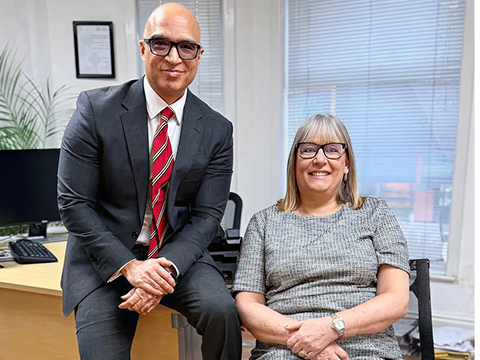
At Step Legal Solicitors, our experienced personal injury and medical negligence team, headed by Anna Rushton and Dominic Jones respectively, have long fought and advocated for fair and just outcomes for injured claimants, particularly where the law risks treating vulnerable groups unequally. This ruling is a watershed moment in personal injury law, and we are well-placed to advise families and representatives on how this development affects existing and future claims.
If you are a family seeking justice for a catastrophically injured child, our specialist team can help you navigate the practical implications of this judgment and secure the best possible outcome.
Looking Ahead
The Supreme Court has now referred the CCC case back to the trial judge to decide whether and to what extent lost years damages should be awarded based on the specific evidence.
We expect this ruling to influence:
- Settlement negotiations in clinical negligence claims.
- Expert reporting standards on future loss calculations;
- Defendant risk assessments in catastrophic injury cases; and
- Judicial guidance on quantifying income and pension losses for young claimants.
Conclusion
The Supreme Court’s decision in CCC v Sheffield Teaching Hospitals represents a fundamental shift in how catastrophic injury compensation is calculated for children with reduced life expectancy. For the first time, the law aligns the rights of injured children with those of adults allowing them to claim for lost years of earnings in full.
If you have questions about how this change affects your case or need expert legal guidance, please contact Step Legal today, where you can reach us on 01270254064, email us with the details of your matter on enquiries@steplegal.co.uk or visit our website on https://www.steplegal.co.uk/callback/. We’re here to help you secure the justice and compensation you deserve.