Prosthetic Legs: A Comprehensive Guide for Patients and Claimants in England and Wales
Losing a limb is a life-changing event that affects every aspect of a person’s life physically, emotionally, socially and financially. For many, a prosthetic leg represents more than just mobility: it is a vital tool for regaining independence, confidence and the ability to live as fully as possible. In the UK, the landscape of prosthetics is shaped by medical, technological, financial and legal factors. Whether you are considering NHS provision, exploring private options, or pursuing compensation following an accident, understanding these elements is crucial.
This guide explores prosthetic legs from multiple angles, including costs, types of prosthetics, maintenance, legal rights, potential compensation and long-term considerations. This article will provide practical insight for anyone navigating these complex sociolegal matters.
Understanding Prosthetic Legs: More Than Just a Replacement Limb
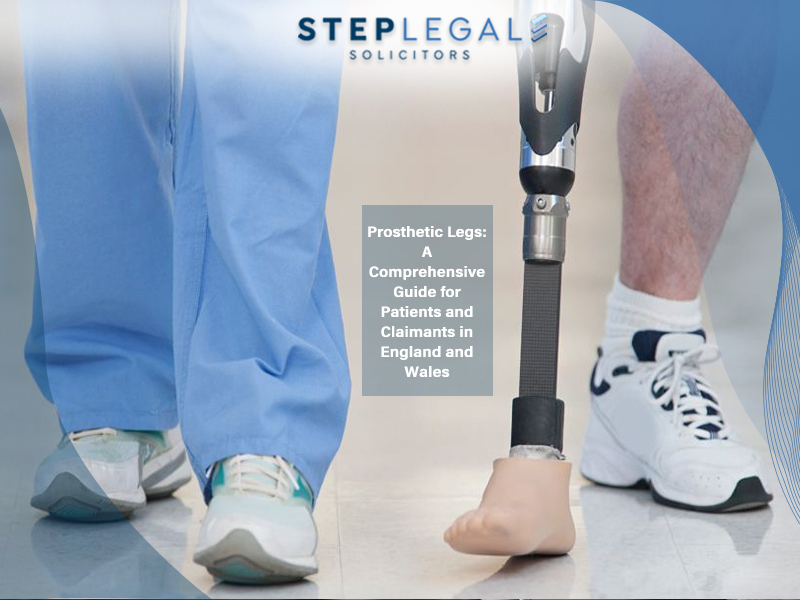
A prosthetic leg is not a simple “stand-in” for a missing limb. It is a sophisticated medical device designed to mimic the natural movement of the human leg while accommodating the unique needs of the wearer. Prosthetics are custom-made and highly individualised: what works for one person may not work for another.
Components of a Prosthetic Leg
A prosthetic leg typically consists of several components:
- Socket – The part that attaches to the residual limb; comfort and fit are critical.
- Pylon or frame – The structural support of the leg, often made of lightweight metals or carbon fibre.
- Knee joint – Can be mechanical, hydraulic, or microprocessor-controlled for natural movement.
- Foot – Ranges from basic solid feet to energy-return or sports-specific designs.
- Suspension system – Keeps the prosthetic secure and prevents movement that could cause skin injury.
Each component affects the leg’s functionality, comfort and cost.
Costs of Prosthetic Legs: What You Need to Know
The cost of a prosthetic leg can be significant, especially for those who seek advanced functionality. In England and Wales, the financial landscape is shaped by whether you use NHS or private provision.
NHS Prosthetics
The NHS provides prosthetic legs free of charge, along with ongoing adjustments, socket replacements and physiotherapy. The benefits include:
- No upfront cost
- Access to a multidisciplinary rehabilitation team
- Periodic replacement of sockets and parts
However, NHS provision may have limitations:
- Advanced prosthetics (e.g., microprocessor knees or sports-specific limbs) are often not available.
- There may be long waiting times for appointments and fittings.
- Cosmetic and aesthetic options can be limited.
Private Prosthetics
Private prosthetic legs allow for more advanced technology and customisation but at a higher cost. Typical price ranges include:
- Basic below-knee prosthetic: £5,000–£10,000
- Above-knee prosthetic with hydraulic or microprocessor knee: £15,000–£50,000
- Specialist sports prosthetics: £20,000–£60,000+
Private provision may also reduce waiting times and provide additional cosmetic and comfort options, but patients must consider ongoing costs for maintenance, repairs and physiotherapy.
Variations in Prosthetic Legs: Finding the Right Fit
Prosthetic legs vary widely depending on the user’s needs, lifestyle and level of amputation.
Level of Amputation
- Below-knee amputations (transtibial) are typically easier to fit, with lower energy requirements for walking.
- Above-knee amputations (transfemoral) are more complex, often requiring advanced knee joints for mobility.
Knee Joint Technology
- Mechanical knees – Simple, durable and less expensive, but movement is less natural.
- Hydraulic knees – Provide smoother motion and adapt to walking speed.
- Microprocessor knees – Use sensors to adjust movement in real time; highly advanced but costly.
Material Choices
Modern prosthetics may use lightweight carbon fibre, titanium, or composite materials to reduce fatigue and improve comfort. Older or basic models may use heavier metals, which can affect mobility.
Purpose and Lifestyle
- Everyday prosthetics: Designed for walking, standing and basic activity.
- Sports prosthetics: Optimised for running, swimming, or cycling; usually more expensive.
- Work prosthetics: May require durability for manual labour.
Maintenance and Hidden Costs
Owning a prosthetic leg goes beyond the initial fitting. Maintenance is essential to ensure safety, comfort and functionality. Hidden costs include:
- Socket replacements – Required every 1–3 years due to changes in limb size or wear and tear.
- Liners and suspension systems – Regular replacements are needed to prevent skin injury.
- Repairs – Damage from accidents, wear, or faulty components.
- Physiotherapy and rehabilitation – Vital for maintaining mobility and avoiding secondary health issues.
- Special footwear – May be required for comfort and gait correction.
Over a lifetime, these costs can add up to tens of thousands of pounds, even if the prosthetic itself was provided free via the NHS.
Physical and Psychological Impact
Adjusting to a prosthetic leg is not just a mechanical process it affects the whole person.
Physical Considerations
- Muscle strengthening is essential for balance and gait.
- Skin irritation, blisters, or pressure sores can occur if sockets are ill-fitting.
- Changes in posture and joint health may arise over time.
Psychological Considerations
- Emotional adaptation can be challenging, as users adjust to life without a natural limb.
- Confidence and social participation can improve significantly with a well-fitted prosthetic.
- Support from occupational therapists and mental health professionals is often beneficial.
Legal Considerations: Rights and Compensation
In England and Wales, losing a limb due to an accident, medical negligence, or employer failure to provide a safe environment can entitle a person to compensation.
Types of Compensation
- General damages – Compensation for pain, suffering and loss of amenity.
- Special damages – Financial losses related to:
- Cost of prosthetic limbs (initial and replacements)
- Home adaptations, such as ramps or stairlifts
- Physiotherapy, rehabilitation and ongoing care
- Loss of earnings or future earning capacity
Typical Compensation Ranges for General Damages
- Below-knee amputation of one leg: £60,000 – £86,000+
- Above-knee amputation of one leg: £63,000–£92,000+
- Below-knee amputation of both legs: £132,000 – £177,500+
- Above-knee amputation of both legs: £158,000 – £185,000+
Do note that all personal injury damages will depend on all or some of the following factors, and total settlements could easily reach over £1 million when factoring in special damages factors such as:
- The severity of the injury
- How has it affected day-to-day living
- The presence and degree of any pain
- Degree of dependence on others
- How long will the symptoms last
- Age and life expectancy
- Any other side effects being experienced, such as depression
- Ability to continue working
Duty of Care and Legal Rights
Employers, manufacturers and drivers owe a legal duty of care. Breaches of this duty that result in limb loss can form the basis of a claim. Patients also have rights under the Equality Act 2010, ensuring reasonable adjustments in the workplace, education and public access.
Practical Considerations for Claimants
When pursuing compensation or navigating prosthetic provision:
- Keep detailed records of medical appointments, prosthetic costs and ongoing expenses.
- Consider both NHS and private options when calculating financial needs.
- Factor in lifetime costs for replacement, maintenance and rehabilitation.
- Ensure legal advice is sought early to maximise potential compensation.
Future Developments in Prosthetics
Prosthetic technology is evolving rapidly. Emerging trends include:
- Bionic and robotic limbs – Providing increasingly natural movement and control.
- 3D-printed prosthetics – Customisable and potentially more affordable.
- Integration with smart devices – Sensors can monitor gait, pressure points and overall limb health.
These innovations may influence both medical and legal considerations, particularly in cases where advanced prosthetics are required for a claimant to live independently or return to work.
Conclusion
A prosthetic leg is far more than a replacement limb; it is a key tool for regaining independence, mobility and quality of life after limb loss. Understanding the medical, financial and legal aspects is crucial. Whether navigating NHS provision, private options or compensation claims, a well-informed approach can make a significant difference to outcomes.
If you have suffered a limb loss due to someone else’s negligence, speaking to a solicitor experienced in personal injury law is essential. Compensation can cover not only your immediate medical needs but also lifelong care, prosthetic replacements and the broader impact on your lifestyle.