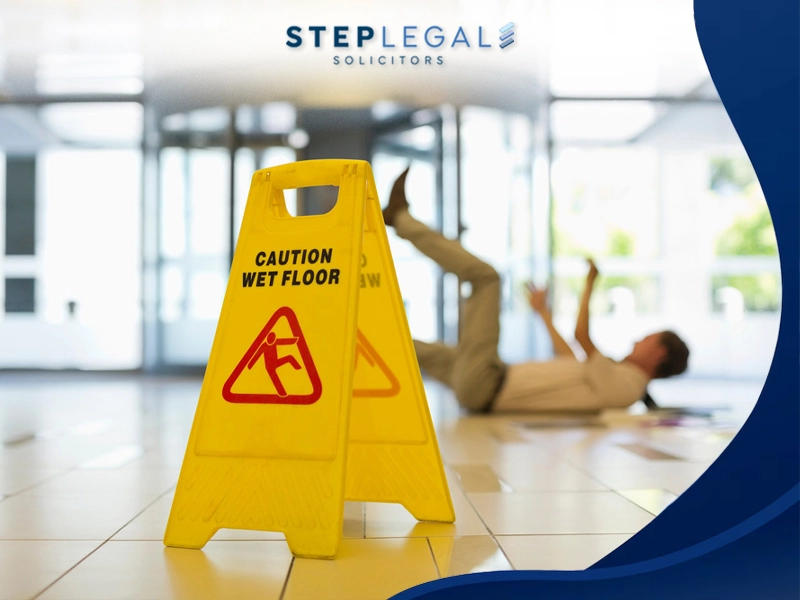
How Much Compensation Can You Get For Slipping on A Wet Floor?
Slipping on a wet floor is one of the most common types of accidents that can lead to a personal injury claim. These incidents often occur unexpectedly in public places, workplaces, or private properties where surfaces become slippery due to spills, cleaning activities, leaks, or weather conditions. While some falls result in minor discomfort, others can cause serious injuries that affect mobility, work capacity and overall quality of life.
When someone suffers an injury in such circumstances, the key legal question becomes whether another party failed in their duty of care. In personal injury law, this forms the foundation of a compensation claim. The amount of compensation awarded in these cases depends on several factors, including the severity of the injury, financial losses, medical treatment required and the level of negligence involved.
Understanding how compensation works for slipping on a wet floor requires looking at both the legal principles of negligence and the practical way claims are valued in personal injury cases.
What Happens Legally When You Slip on a Wet Floor?
When a person slips on a wet floor, the incident may fall under the scope of premises liability within personal injury law. This area of law is concerned with the responsibility of property owners, occupiers and businesses to ensure that their premises are reasonably safe for visitors.
In legal terms, a wet floor accident becomes significant when it can be shown that the hazard existed due to negligence. This means that the responsible party either failed to identify the risk, failed to remove it in a reasonable time, or failed to warn people about it properly.
Not every accident automatically leads to compensation. The law requires proof that the injury was caused by avoidable circumstances rather than pure chance. For example, if a spill was left unattended for an unreasonable period or if no warning signage was placed, it may indicate a breach of duty of care.
This is where personal injury claims begin to take shape, as the injured person must demonstrate that the accident was not simply an unfortunate event but a preventable one.
Why Wet Floor Accidents Are Considered Personal Injury Claims
Wet floor accidents fall under personal injury law because they involve harm caused by unsafe conditions. Personal injury law is designed to compensate individuals who suffer physical or psychological harm due to someone else’s negligence.
In slip and fall cases, the injury is typically caused by a hazardous condition on someone else’s property. This could include wet tiles in a supermarket, spilt drinks in a restaurant, or freshly mopped floors without proper warning signs. In each situation, the focus is on whether reasonable safety measures were taken.
These claims are not limited to severe injuries. Even minor injuries may qualify for compensation if negligence can be established. However, the value of compensation increases significantly when injuries lead to long-term effects such as chronic pain, reduced mobility, or inability to work.
Common Places Where Wet Floor Accidents Occur
Wet floor accidents can happen in almost any environment, but certain locations present higher risks due to constant foot traffic and exposure to liquids. Public spaces such as supermarkets are particularly common locations because spills frequently occur in aisles, near refrigeration units, or around checkout areas. If these hazards are not addressed quickly, they can create dangerous walking conditions for customers.
Restaurants and cafés also present a high risk because food and drink spills are common in dining areas and kitchens. In these environments, staff must ensure that spills are cleaned promptly and that warning signs are clearly displayed when floors are wet.
Shopping centres and commercial buildings are another frequent setting for slip and fall accidents. Entrances often become slippery during rainy weather as water is tracked inside. Without proper cleaning procedures or flooring designed to reduce slipping, the risk of injury increases significantly.
Workplaces are also a major category for wet floor injuries. Employers have a legal obligation to maintain a safe working environment. If an employee slips due to unsafe conditions, this may lead to a workplace personal injury claim. In such cases, additional regulations regarding occupational safety may also apply.
How Wet Floors Become a Hazard
A wet floor becomes dangerous when it creates a loss of traction between footwear and the surface. This can happen for several reasons, including cleaning activities, accidental spills, structural leaks, or external weather conditions.
One of the most common causes is cleaning without proper warning signs. When floors are mopped or washed, they often remain slippery for several minutes. If people are not warned, they may unknowingly walk onto the wet surface and fall.
Spills are another major cause, particularly in retail and hospitality environments. Drinks, food items, or cleaning chemicals can create unexpected hazards. If these are not cleaned promptly, they significantly increase the risk of accidents.
Poor maintenance also plays an important role. Leaking pipes, faulty refrigeration units, or damaged flooring can create continuous wet patches that are not always visible. In such cases, liability may be stronger because the hazard existed for a prolonged period.
Weather conditions can also contribute to wet floor risks. Rainwater entering buildings through entrances can create slippery surfaces. Without proper mats, drainage systems, or cleaning protocols, these areas can become accident hotspots.
Types of Injuries Caused by Slipping on a Wet Floor
The severity of injuries resulting from wet floor accidents varies widely. Some individuals may only experience minor bruising or temporary discomfort, while others may suffer serious and life-altering injuries.
Minor injuries typically include soft tissue damage such as bruises, sprains, or minor cuts. While these injuries may heal quickly, they can still cause pain and inconvenience, especially if medical treatment is required.
Moderate injuries are more serious and often include fractures, ligament tears, or back injuries. These injuries may require medical intervention such as plaster casts, physiotherapy, or temporary absence from work. In personal injury claims, these types of injuries generally lead to higher compensation amounts due to increased medical costs and lost income.
Severe injuries are the most serious category and can include head trauma, spinal injuries, or permanent disability. These injuries can have long-term consequences, including loss of mobility, ongoing medical treatment and inability to return to work. Compensation in such cases is significantly higher due to the long-term impact on the individual’s life.
In addition to physical injuries, psychological effects such as anxiety, fear of walking, or trauma may also be considered in personal injury claims. These non-physical effects can contribute to overall compensation value, especially when supported by medical evidence.
When Does a Slip and Fall Become a Legal Claim?
Not every slip-and-fall accident leads to a compensation claim. For a case to be legally valid, it must be shown that negligence played a role in causing the accident.
This typically involves proving that the responsible party knew or should have known about the hazard and failed to take reasonable steps to prevent harm. If a wet floor was left unattended for too long or if no warning signs were placed, this may indicate negligence.
The legal system requires a clear link between the hazardous condition and the injury suffered. This means that it must be shown that the wet floor directly caused the fall and resulting injuries. Medical records, witness statements and accident reports are often used to establish this connection.
Once negligence and causation are established, the claim moves into the compensation assessment stage, where the financial value of the injury is determined.
How Personal Injury Law Applies to Wet Floor Accidents
Wet floor accidents are a key category within personal injury law because they involve preventable harm caused by unsafe environments. Personal injury law is structured to ensure that individuals are compensated for both financial losses and personal suffering caused by such incidents.
The compensation process takes into account not only immediate medical expenses but also long-term consequences such as ongoing treatment, rehabilitation and loss of income. In more serious cases, future earning potential may also be considered.
The legal framework is designed to restore the injured person, as far as possible, to the position they were in before the accident occurred. While no amount of compensation can fully reverse an injury, financial recovery aims to address the impact on the individual’s life.
Understanding Legal Responsibility in Slip-Related Injury Cases
When a person is injured after slipping on a wet surface, the focus shifts toward determining who had control over the environment where the incident occurred. In personal injury law, responsibility is not based on the accident itself but on whether a reasonable standard of safety was maintained.
Property owners, occupiers and businesses are generally expected to take practical steps to reduce risks for visitors. This includes regular inspection of walking areas, timely removal of hazards and clear communication when a surface is temporarily unsafe. If these expectations are not met, liability may arise.
However, responsibility is not automatically assigned in every situation. The law also considers whether the hazard was predictable, how long it existed before the accident and whether reasonable measures could have prevented harm. This makes each claim highly dependent on factual circumstances rather than assumptions.
Establishing Fault Through Negligence Principles
In order for a slip and fall incident to lead to compensation, it must be shown that negligence played a role in causing the injury. Negligence in personal injury law refers to a failure to exercise reasonable care under given circumstances.
In wet floor cases, negligence is often assessed by examining whether the hazard was foreseeable and whether it was addressed within a reasonable timeframe. For example, if a spill remained on the floor long enough that staff should have noticed it, this may support a finding of fault.
Another important consideration is whether adequate warning was provided. A wet surface without any visible indication can significantly increase risk, especially in busy public environments. The absence of warning measures is often a key factor when evaluating liability.
Courts and claims assessors also examine internal safety procedures. Businesses that do not have proper cleaning schedules, inspection routines, or hazard reporting systems may be viewed as failing in their duty of care.
How Liability Is Evaluated in Real-World Claims
In practical terms, liability is rarely straightforward. Many slip and fall incidents occur in environments where multiple factors contribute to the accident. For instance, a floor may have been cleaned recently, but inadequate drying methods could still create a hazard. Alternatively, a spill may have occurred moments before the fall, making it difficult to prove negligence.
Because of this complexity, evidence becomes central to the evaluation process. Surveillance footage, maintenance records and witness accounts are often reviewed to reconstruct the timeline of events. The key question is not only whether the floor was wet, but whether the responsible party had enough opportunity to address the hazard before the injury occurred.
In personal injury claims, liability can also be shared. If the injured person was partially distracted or failed to notice a visible hazard, compensation may be adjusted accordingly depending on the legal system involved.
How Compensation Value Is Actually Determined
The value of compensation in slip and fall cases is not arbitrary. It is calculated by assessing both the financial impact and the personal impact of the injury.
Financial impact includes direct costs such as medical treatment, diagnostic tests, medication and rehabilitation. It also extends to indirect losses such as time away from work and reduced earning ability during recovery. In more severe cases, future income loss may also be considered.
Personal impact refers to how the injury affects daily life. This includes physical pain, emotional distress and reduced ability to participate in normal activities. These elements are more subjective but are a significant part of personal injury valuation.
The combination of these factors determines the overall compensation range. Two individuals with similar injuries may receive different outcomes depending on employment status, recovery time and supporting evidence.
How Injury Severity Influences Compensation Levels
One of the most important factors in determining compensation is the seriousness of the injury sustained. Minor injuries that heal quickly without long-term consequences typically result in lower compensation amounts.
In contrast, injuries that require surgery, long-term physiotherapy, or ongoing medical care lead to significantly higher valuations. This is because they involve greater disruption to the individual’s life and higher financial costs.
Severe injuries that cause permanent disability or long-term impairment represent the highest category in personal injury claims. In such cases, compensation is not only based on current losses but also on future needs, including long-term care and reduced earning capacity.
The legal system aims to reflect the real-world impact of the injury rather than just the immediate medical treatment required.
Role of Evidence in Strengthening a Compensation Claim
Evidence plays a decisive role in determining both liability and compensation value. Without strong supporting documentation, even valid claims can become difficult to prove.
One of the most important forms of evidence is visual documentation of the accident scene. Photographs or video recordings of the wet surface can help establish the existence of a hazard at the time of the incident. This becomes even more important if the area was cleaned shortly afterward.
Medical evidence is equally critical. Detailed medical reports linking the injury directly to the fall help establish causation. These records also provide insight into the severity of the injury and expected recovery time.
Witness statements can also support a claim by confirming how the accident occurred. Independent accounts are often considered reliable, especially when they align with other forms of evidence.
In some cases, maintenance logs or cleaning schedules may be reviewed to determine whether proper safety procedures were followed. These records can either support or weaken a claim depending on their contents.
How Insurance Companies Influence Compensation Outcomes
Most slip and fall claims are handled through insurance systems rather than direct payments from property owners. Insurance companies play a central role in evaluating, negotiating and settling claims.
Their primary objective is to assess liability and determine a fair settlement value based on available evidence. However, insurance providers also aim to minimize financial exposure, which often leads to lower initial settlement offers.
Adjusters may request statements, review medical records and question the circumstances of the accident in detail. In some cases, they may argue that the injury was not caused by negligence or that the claimant contributed to the accident.
Because of this, many claims require negotiation before reaching a final settlement. The strength of evidence and clarity of documentation often determine how successful this process will be.
How Settlements Differ From Court Decisions
Compensation in wet floor injury cases can be resolved either through settlement or through court proceedings. A settlement is an agreement reached between the parties without formal litigation.
Settlements are generally faster and less complex. They allow both sides to avoid lengthy legal procedures and reduce uncertainty. However, settlement amounts may sometimes be lower than what could potentially be awarded in court.
Court proceedings involve a formal legal process where evidence is presented before a judge. This can lead to higher compensation in cases where liability is clearly established, but it also involves greater time, cost and procedural complexity.
The choice between settlement and litigation depends on the strength of the case, willingness of the parties to negotiate and level of disputed liability.
Time Considerations in Personal Injury Claims
The duration of a slip and fall compensation claim varies depending on multiple factors. Cases with clear liability and strong evidence may be resolved relatively quickly, while disputed claims can take significantly longer.
Medical recovery time is also an important factor. In many cases, compensation discussions are delayed until the full extent of the injury is understood. This ensures that long-term effects are properly considered in the valuation process.
Legal procedures, evidence gathering and negotiations with insurance providers can also influence timelines. As a result, there is no fixed duration for resolving these claims.
Importance of Acting Promptly After an Accident
Timing plays a crucial role in personal injury cases. Evidence can disappear quickly and memories of events may become less reliable over time. This makes early documentation essential.
Seeking medical attention immediately after the accident is also important, even if the injury appears minor. Some injuries may worsen over time and early medical records help establish a clear connection between the fall and the injury.
Reporting the incident to the relevant authority or property owner also helps create an official record, which may be useful later in the claims process.
How Compensation Is Valued in Practical Claim Assessments
In real-world personal injury claims, compensation is not decided through a fixed formula. Instead, it is assessed by combining measurable financial losses with the broader impact the injury has on a person’s life. The evaluation process begins with the evidence of harm and extends to how that harm affects both short-term recovery and long-term wellbeing.
Medical expenses are usually the most straightforward component. These include emergency treatment, hospital admissions, diagnostic scans, medication and rehabilitation sessions. However, the valuation does not stop at immediate costs. If an injury requires ongoing care, future medical needs are also projected and included in the assessment.
Loss of income is another major factor. When an injured person is unable to work, even temporarily, the wages lost during that period become part of the compensation calculation. In more serious cases where the injury affects long-term earning ability, the valuation becomes more complex and may include estimated future income loss based on career trajectory and employment history.
Beyond financial loss, decision-makers also consider the personal consequences of the injury. Pain, discomfort, reduced mobility and emotional distress all contribute to the overall value. These effects are harder to quantify but are central to personal injury evaluation because they reflect the actual human impact of the incident.
Why Injury Impact Duration Changes the Final Amount
The length of recovery plays a critical role in determining compensation levels. Short-term injuries that heal within weeks generally result in lower financial awards because the disruption to daily life is limited.
When recovery extends over several months, the situation changes significantly. Extended medical treatment, repeated therapy sessions and prolonged absence from work increase both economic and non-economic losses. This naturally raises the value of the claim.
In cases where recovery is incomplete or permanent damage remains, compensation increases substantially. Long-term physical limitations or chronic pain affect not only employment but also lifestyle, independence and emotional wellbeing. These long-lasting effects are heavily weighted in claim evaluations because they alter future quality of life.
How Legal Negotiations Shape Final Settlement Figures
Most compensation outcomes are not decided in court but through negotiation. The negotiation process typically involves discussions between the injured party’s representative and the insurance provider responsible for the property where the incident occurred.
Initial settlement offers are often lower than the potential value of the claim. This is because insurers assess risk conservatively and aim to resolve cases efficiently. However, these early offers are not final and can be challenged based on evidence strength and legal argumentation.
As negotiations progress, both sides evaluate medical reports, financial documentation and liability evidence. Stronger documentation tends to increase settlement value, while weak or incomplete evidence can reduce leverage in discussions.
The negotiation phase is often where the most significant variation in compensation occurs. Two similar injuries may result in different outcomes depending on how effectively the claim is presented and supported.
Situations Where Court Proceedings Become Necessary
Although many claims are resolved through settlement, there are situations where court action becomes necessary. This usually happens when liability is disputed or when the parties cannot agree on a fair compensation amount.
In a court setting, evidence is examined in detail and both sides present arguments regarding responsibility and damages. The outcome is determined by a judge or jury based on legal standards of proof.
Court proceedings can result in higher compensation in cases where negligence is clearly established. However, they also involve longer timelines and greater procedural complexity. As a result, court action is generally considered when negotiation fails to produce a reasonable outcome.
The decision to proceed legally is often influenced by the strength of evidence and the potential value difference between settlement and litigation.
Common Challenges That Reduce Claim Value
Several factors can negatively affect the value of a compensation claim. One of the most common issues is delayed reporting of the incident. When there is a gap between the accident and the reporting or medical consultation, it becomes harder to establish a clear connection between the event and the injury.
Inconsistent statements can also weaken a claim. If details about how the accident occurred change over time, it may reduce credibility and affect liability assessment.
Lack of evidence is another major challenge. Without photographs, witness accounts, or official reports, it becomes difficult to prove that a hazardous condition existed at the time of the incident.
Early settlement acceptance is also a frequent issue. Accepting compensation before the full extent of injuries is known may result in undervaluation, especially if long-term effects emerge later.
Time Limits That Affect the Right to Claim Compensation
Personal injury claims are subject to legal time restrictions. These limits define the period within which a claim must be initiated. If action is not taken within the allowed timeframe, the right to pursue compensation may be lost entirely.
The limitation period varies depending on jurisdiction, but the principle remains consistent: claims should be brought forward promptly after the incident. This ensures evidence remains available and witness accounts remain reliable.
In some cases, exceptions may apply, particularly where injuries are discovered later or where the injured person is unable to take immediate action. However, these exceptions are limited and depend on specific legal conditions.
Because of these time constraints, early evaluation of a potential claim is always advisable.
High-Intent Questions Related to Compensation Outcomes
One of the most common concerns after a wet floor injury is understanding how much compensation might realistically be awarded. The answer depends on multiple interconnected factors rather than a single fixed amount. Severity of injury, financial losses and strength of evidence all play a role in shaping the final outcome.
Another frequent question is whether compensation is still possible if the injured person contributed to the accident. In many legal systems, partial responsibility does not automatically prevent a claim. Instead, compensation may be adjusted based on the level of shared fault.
People also often ask whether legal representation is necessary. While it is possible to handle a claim independently, complex cases involving serious injuries or disputed liability often benefit from professional legal support, particularly during negotiations with insurance companies.
There is also uncertainty about whether claims always proceed to court. In reality, most cases are resolved without litigation, as settlement agreements are generally preferred when evidence is clear and liability is not heavily contested.
Practical Steps That Strengthen a Compensation Claim
The strength of a personal injury claim often depends on actions taken immediately after the accident. Prompt medical evaluation is one of the most important steps, even when injuries appear minor at first. Medical documentation creates a clear link between the incident and the resulting condition.
Preserving evidence from the accident scene is also important. Conditions at the location may change quickly, especially if cleaning is carried out after the incident. Early documentation helps preserve critical details that support the claim.
Reporting the incident to the responsible authority ensures that an official record exists. This can be important during later stages of the claim process, particularly when liability is being assessed.
Consistency in describing the event also plays a role. Clear and accurate accounts help maintain credibility and avoid disputes during evaluation.
Conclusion:
A compensation claim arising from a wet floor accident is not determined by the fall itself but by the legal and factual circumstances surrounding it. The process involves establishing responsibility, proving injury and demonstrating the impact on the individual’s life.
Financial recovery is designed to address both tangible losses such as medical costs and income disruption, as well as intangible effects like pain and reduced quality of life. Because every case is unique, outcomes vary significantly based on evidence and severity.
Understanding how claims are assessed helps individuals make informed decisions about whether to pursue compensation and how to approach the process effectively.