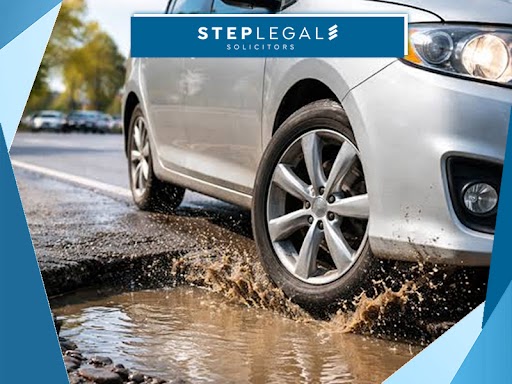
What You Do If You Hit a Pothole? A Complete Guide
Hitting a pothole can happen without warning. Whether you’re driving through a residential street, travelling on a busy A road, or navigating unfamiliar roads, a pothole can cause of course, cause damage to your vehicle, but can also cause injury to yourself and others.
While some potholes only result in a damaged tyre, others can crack alloy wheels, affect your suspension, knock your steering out of alignment, or cause a driver to lose control of their vehicle. For motorcyclists and cyclists, the consequences can be even more severe, with poorly maintained roads sometimes leading to serious injuries.
These are common questions, and taking the right steps immediately after the incident can make a significant difference. Acting quickly not only helps protect your safety but also makes it easier to identify any damage, preserve important evidence, and understand your legal options if poor road maintenance has contributed to the incident.
This guide explains everything you need to know, from the first actions you should take after hitting a pothole to understanding vehicle damage, reporting road defects, and when a pothole accident claim may be worth considering.
What Is a Pothole and Why Are They Dangerous?
A pothole is a depression or hole in the road surface caused by the gradual breakdown of tarmac or asphalt. Over time, repeated traffic, changing weather conditions and water entering small cracks weaken the road surface until pieces begin to break away.
Potholes vary greatly in size. Some are small enough to cause only a slight bump, while others are deep and wide enough to damage vehicles or create a serious hazard for everyone using the road.
Even a pothole that appears relatively small can cause expensive mechanical damage if it is struck at speed or if it is hidden by rainwater.
How Do Potholes Form?
Road surfaces naturally deteriorate over time. Small cracks often develop as roads expand and contract due to changes in temperature.
When rainwater enters these cracks and freezes during colder weather, it expands, forcing the surface apart. As vehicles continue driving over the weakened area, sections of the road begin to crumble, eventually forming a pothole.
Heavy traffic, particularly buses, lorries and other large vehicles, places additional pressure on already damaged roads, causing potholes to grow larger and deeper if they are not repaired promptly.
Without regular maintenance, a minor defect can quickly become a significant danger to road users.
Why Do Potholes Become Worse Over Time?
Unlike many other road defects, potholes rarely remain the same size.
Every vehicle passing over a damaged section of road removes a little more material from the surface. Rainwater continues to weaken the surrounding area, while constant traffic places additional stress on the exposed edges.
As a result, a pothole that causes little inconvenience one week may become large enough to cause real damage only a short time later.
This is why timely inspections and repairs play an important role in keeping roads safe.
Which Road Users Are Most at Risk?
Although anyone can be affected by a pothole, some road users face a greater level of risk than others.
Drivers may experience:
- Tyre punctures or blowouts.
- Bent or cracked alloy wheels.
- Suspension damage.
- Steering problems.
- Loss of vehicle control.
Motorcyclists are particularly vulnerable because they have only two wheels maintaining contact with the road. A deep pothole can destabilise a motorcycle within seconds, increasing the risk of the rider being thrown from the bike.
Cyclists also face significant risks. Striking a pothole unexpectedly can damage the bicycle, cause loss of balance or result in serious falls, particularly when travelling at higher speeds or in poor weather conditions.
Pedestrians may also be affected if a vehicle strikes a pothole and loses control or if standing water caused by road defects splashes onto footpaths, creating additional hazards.
Why Can Potholes Be So Dangerous?
Many drivers assume potholes are simply an inconvenience, but they can create much more serious consequences.
A sudden impact may force a driver to swerve unexpectedly, increasing the risk of colliding with another vehicle, a cyclist or roadside objects.
Hidden potholes present an even greater danger. During heavy rain, standing water can completely conceal the depth of a pothole, leaving drivers with little opportunity to react safely.
Poor visibility at night can create similar risks, particularly on unfamiliar roads where drivers are unable to anticipate defects in the carriageway.
Recent incidents, including one highlighted near Stoke-on-Trent, have also drawn attention to how poorly maintained roads can contribute to serious collisions, reinforcing the importance of road inspections and timely repairs.
What Should You Do Immediately After Hitting a Pothole?
The moments immediately after hitting a pothole are often the most important. Even if the impact seems minor, taking the correct steps can help protect your safety, minimise further damage and preserve evidence should you later need it.
Should You Stay Calm and Avoid Sudden Braking?
Your first instinct may be to brake sharply or swerve to avoid the pothole. However, sudden steering movements or harsh braking can create a greater risk than the pothole itself.
If you’ve already hit the pothole, maintain control of the steering wheel and reduce your speed gradually where it is safe to do so.
Avoid making sudden lane changes unless necessary to prevent an immediate danger.
Remaining calm allows you to assess the situation more effectively and reduces the likelihood of a secondary collision.
Where Should You Stop Safely?
If you believe your vehicle has been damaged, find a safe location away from moving traffic before stopping.
Where possible:
- Pull into a lay-by or designated parking area.
- Avoid stopping on bends or near junctions.
- Use your hazard warning lights if your vehicle presents an obstruction.
- Ensure passengers leave the vehicle only if it is safe to do so.
Never stop in a live traffic lane unless your vehicle is unable to continue safely.
If your vehicle has suffered significant damage, contacting roadside assistance may be the safest option.
Should You Check for Injuries?
Once you’ve stopped safely, check yourself and any passengers for injuries.
Some injuries, particularly soft tissue injuries or whiplash, may not become immediately obvious because adrenaline can temporarily mask pain.
Look out for symptoms such as:
- Neck pain.
- Back pain.
- Headaches.
- Dizziness.
- Shoulder pain.
- Wrist or arm pain.
- Difficulty walking.
If anyone has suffered a serious injury or you believe there is an immediate risk to life, contact the emergency services without delay.
Even seemingly minor symptoms should not be ignored, as obtaining prompt medical attention creates an accurate medical record and helps ensure appropriate treatment.
Is It Safe to Continue Driving?
Not every pothole impact means you must stop driving immediately.
However, before continuing your journey, you should check for obvious signs of damage.
Ask yourself:
- Does the vehicle pull to one side?
- Is the steering wheel no longer centred?
- Can you hear knocking or grinding noises?
- Has a warning light appeared?
- Is a tyre losing pressure?
- Can you see visible wheel damage?
If the answer to any of these questions is yes, continuing to drive could make the damage worse or place you and other road users at risk.
In many cases, arranging a professional inspection as soon as possible is the safest course of action, even if the vehicle appears to be drivable.
Is Hitting a Pothole Considered an Accident?
Many people wonder, “Is hitting a pothole considered an accident?”
The answer depends on what happened.
If the pothole simply caused a slight impact without any damage or injury, it may amount to nothing more than an unfortunate driving incident.
However, if the pothole caused vehicle damage, resulted in an injury or contributed to a collision, it may be regarded as a road traffic accident. In some circumstances, where poor road maintenance has played a significant role, it may also give rise to a pothole accident compensation claim, provided the legal requirements for bringing a claim can be established.
Understanding what happened and gathering evidence from the outset can make it much easier to assess your options later if repair costs or injuries become an issue.
How Can You Tell If Your Vehicle Has Been Damaged?
Not all pothole damage is immediately obvious. In some cases, the impact is severe enough to cause an instant tyre blowout or a cracked alloy wheel. In others, the damage develops gradually, with symptoms becoming noticeable only after you’ve continued your journey.
For this reason, it’s important not to assume that your vehicle is unharmed simply because it still drives. Even a relatively small pothole can affect components that are not visible during a quick roadside inspection. Identifying potential problems early can help prevent further damage and may also support a pothole accident claim if repairs are later required.
How Should You Inspect Your Tyres?
Your tyres are usually the first part of the vehicle to absorb the impact of a pothole. A sudden collision with a deep road defect can weaken the tyre’s structure, even if there are no immediate signs of damage.
Begin by checking the tyre walls and tread for cuts, bulges or punctures. If a tyre appears flatter than normal or is losing pressure, it should be inspected before you continue driving. A damaged tyre is more likely to fail unexpectedly, particularly at higher speeds.
It’s also worth remembering that some tyre damage occurs internally. A professional inspection may identify structural issues that cannot be seen from the outside, making it worthwhile to have the vehicle checked if the impact was significant.
Can a Pothole Damage Your Alloy Wheels?
Yes. Alloy wheels are particularly vulnerable when a vehicle strikes a pothole at speed.
The force of the impact can bend the rim, crack the alloy or create damage that affects how the tyre seals against the wheel. Even if the damage appears minor, it may lead to slow air leaks, increased tyre wear or vibrations while driving.
If you notice your steering wheel shaking after hitting a pothole, or if the vehicle feels unstable, a damaged wheel could be one of the causes.
Continuing to drive with a cracked alloy wheel may also increase the risk of further mechanical problems, so it is advisable to arrange repairs as soon as possible.
How Can You Spot Suspension Damage?
Your vehicle’s suspension system is designed to absorb shocks and keep the tyres in contact with the road. However, a severe pothole impact can place significant stress on suspension components.
You may notice that the vehicle feels less stable than usual or that it bounces excessively when travelling over uneven surfaces. Unusual knocking or clunking noises may also indicate that suspension parts have been damaged.
In some cases, suspension problems are subtle and develop over time rather than immediately after the incident. This is why drivers should remain alert to any changes in the way the vehicle handles during the days following the impact.
Could Your Steering Be Affected?
A pothole can also affect your vehicle’s steering system.
If the steering wheel no longer feels straight when driving in a straight line, or if the vehicle consistently pulls towards one side of the road, the impact may have disturbed the steering geometry.
You might also notice that the steering feels heavier or less responsive than normal. These symptoms should not be ignored, as they may indicate damage that could compromise the vehicle’s safety.
Prompt repairs can help prevent uneven tyre wear and reduce the likelihood of more expensive repairs later.
How Do You Know If Your Wheel Alignment Has Changed?
Wheel alignment problems are among the most common consequences of hitting a pothole.
Even a relatively moderate impact can alter the position of your wheels, causing them to point slightly out of alignment. Although the difference may seem small, it can have a noticeable effect on how the vehicle drives.
Signs that your wheel alignment may have been affected include uneven tyre wear, a steering wheel that sits off-centre or a vehicle that drifts to one side without any steering input.
Ignoring alignment issues can shorten the life of your tyres and reduce fuel efficiency, making it worthwhile to have the alignment checked after a significant pothole impact.
Could the Underside of Your Vehicle Be Damaged?
The underside of a vehicle often goes unnoticed because it is difficult to inspect without lifting the car. However, striking a deep pothole can damage several components underneath the vehicle.
Depending on the severity of the impact, parts such as the exhaust system, protective undertrays or other mechanical components may suffer damage. In some situations, drivers may hear scraping noises or notice fluid leaking beneath the vehicle after the incident.
If you suspect underbody damage, it is generally safer to avoid further driving until the vehicle has been professionally assessed.
Which Dashboard Warning Lights Should You Never Ignore?
Modern vehicles are fitted with warning systems that monitor a wide range of mechanical and electronic components.
If a warning light appears shortly after hitting a pothole, it should never be dismissed as a coincidence. While some lights may relate to minor issues, others could indicate damage affecting tyre pressure monitoring systems, steering, suspension or other safety-related components.
Consulting your vehicle handbook can help identify the meaning of the warning light, but arranging a professional inspection remains the safest option if any concerns arise.
Can Damage Appear Hours or Days Later?
Yes. This is one of the reasons why many drivers underestimate the effects of hitting a pothole.
Immediately after the impact, your vehicle may appear to be driving normally. However, as you continue using it, underlying damage may gradually become more apparent. A small crack in an alloy wheel can become larger, a weakened tyre may begin losing pressure and damaged suspension components may start producing unusual noises.
For this reason, it is sensible to remain alert for any changes in your vehicle’s performance over the following days. If new symptoms develop, arranging an inspection promptly can prevent further deterioration and provide valuable evidence if you later decide to pursue compensation for a pothole accident.
What Damage Can a Pothole Cause?
The extent of pothole damage depends on several factors, including the depth of the pothole, your speed at the time of impact, road conditions and the type of vehicle you are driving.
While some incidents result in little more than cosmetic damage, others can lead to expensive repairs or even serious road traffic accidents. Understanding the types of damage a pothole can cause makes it easier to recognise problems early and take appropriate action.
Can Potholes Cause Tyre Blowouts?
Tyres are designed to withstand everyday road conditions, but a deep pothole can place sudden and excessive pressure on the sidewall.
In severe cases, this impact can cause an immediate puncture or blowout. Even where the tyre does not fail instantly, internal damage may weaken its structure, increasing the likelihood of failure at a later stage.
Driving on a damaged tyre not only puts you at risk but may also make the eventual repair more costly if additional components become affected.
Can They Crack or Bend Alloy Wheels?
Alloy wheels are less flexible than traditional steel wheels, making them more susceptible to cracking when subjected to a heavy impact.
A cracked or bent alloy wheel can affect the tyre’s seal, resulting in slow air leaks and poor handling. Drivers may notice vibrations through the steering wheel or feel that the vehicle no longer drives as smoothly as it did before the incident.
Because wheel damage is not always obvious, a professional inspection is often the most reliable way to identify hidden defects.
Can Suspension Components Be Damaged?
The suspension absorbs much of the force created when a vehicle strikes a pothole.
A significant impact may damage springs, shock absorbers, control arms or other suspension components. Over time, this can reduce ride comfort, affect braking performance and compromise vehicle stability.
Although some suspension problems are immediately noticeable, others develop gradually, making routine inspections particularly important after a severe pothole impact.
Can Potholes Affect Steering and Braking?
Yes. Steering and braking systems work together to keep your vehicle under control, and both can be affected by a heavy impact.
If steering components become damaged, your ability to maintain precise control may be reduced. Likewise, if suspension or wheel alignment has been affected, braking distances may increase because the tyres no longer maintain optimal contact with the road surface.
Even relatively minor steering issues should be investigated, as they can become more serious if left untreated.
Can They Damage the Exhaust or Underbody?
Vehicles with lower ground clearance are particularly vulnerable to underbody damage.
A deep pothole may cause the underside of the vehicle to strike the road surface, damaging exhaust components, protective covers or other mechanical parts beneath the car.
If you hear scraping noises, notice fluid leaks or detect unusual vibrations after the incident, it is advisable to have the vehicle inspected before continuing regular use.
What Should Motorcyclists Do After Hitting a Pothole?
For motorcyclists, hitting a pothole can be far more dangerous than it is for someone travelling in a car. With only two wheels in contact with the road, even a relatively small defect can cause the motorcycle to become unstable, increasing the risk of losing control.
If you hit a pothole while riding, your first priority should always be your safety. If you remain in control of the motorcycle, slow down gradually and move to a safe location before stopping. Avoid making sudden steering movements, as these can increase the risk of another accident.
Once it is safe to do so, inspect both yourself and your motorcycle for any obvious damage. Pay particular attention to the tyres, wheels, front forks and handlebars. Even if the motorcycle appears to be rideable, hidden damage may affect its handling.
If you have fallen from your motorcycle, it is advisable to seek medical attention, even if your injuries initially seem minor. Adrenaline can mask pain, and symptoms such as fractures, soft tissue injuries or head injuries may not become apparent until later.
Where poor road maintenance has contributed to the incident, gathering evidence at the scene can also be important if you later decide to explore your legal options or seek pothole accident injury compensation claim advice.
What Should Cyclists Do After Hitting a Pothole?
Cyclists are also particularly vulnerable to poorly maintained roads. Unlike motorists, cyclists have very little protection if they lose balance after striking a pothole, making even a seemingly minor road defect capable of causing serious injuries.
If you are able to stop safely, check yourself for injuries before inspecting your bicycle. Pay close attention to the wheels, tyres, frame, handlebars and brakes. Damage to any of these components could make it unsafe to continue your journey.
Even where there is no visible damage, it is sensible to remain cautious. A bent wheel, cracked frame or damaged brake component may not be immediately obvious but could fail later.
If the pothole caused you to fall and sustain injuries, taking photographs of the road defect, the surrounding area and any damage to your bicycle may prove useful should you later consider pothole cycle accident claims.
What Should You Do If You Have Been Injured?
Not every injury is immediately visible.
Following a pothole incident, many people focus on checking their vehicle while overlooking their own health. However, injuries can take several hours or even days to develop, particularly those affecting the neck, back or soft tissues.
If you experience ongoing pain, dizziness, headaches or restricted movement after hitting a pothole, arranging a medical assessment is important. Medical records not only ensure you receive appropriate treatment but also provide an independent record of your injuries.
Where emergency medical treatment is required, contacting the emergency services should always take priority over collecting evidence.
What Evidence Should You Collect After Hitting a Pothole?
Whether your vehicle has been damaged or you’ve suffered an injury, collecting evidence as soon as possible can make it much easier to establish exactly what happened.
Many road defects are repaired quickly once they are reported. If you leave the scene without documenting the pothole, valuable evidence may no longer be available if you later need it.
Why Should You Photograph the Pothole?
Photographs provide one of the clearest ways to record the condition of the road at the time of the incident.
Try to capture the pothole from several angles while ensuring it can be clearly identified within its surroundings. Including nearby road markings, junctions or street signs can help establish the exact location.
If it is safe to do so, wider photographs showing the approach to the pothole can also demonstrate whether it would have been reasonably visible to approaching drivers or cyclists.
Should You Photograph Your Vehicle?
Yes. Take clear photographs of any visible damage before repairs are carried out.
This may include damaged tyres, cracked alloy wheels, dents, suspension damage or any other visible defects that appear to have resulted from the impact.
Keeping a chronological record of photographs can also help demonstrate how the damage developed over time if additional problems become apparent.
Why Is Recording the Exact Location So Important?
The precise location of the pothole may become important later, particularly if responsibility for maintaining the road is disputed.
Using your smartphone to record the location or noting nearby landmarks can make it much easier to identify the relevant highway authority.
This information may also assist if you decide to report the pothole or seek further advice.
Can Witnesses Help?
If anyone saw the incident occur, their account may provide valuable independent evidence.
Witnesses may be able to confirm the condition of the road, how the incident happened or whether the pothole had created difficulties for other road users.
If they are willing, politely ask for their contact details while events remain fresh in their memory.
Should You Keep Repair Documents?
Absolutely.
Invoices, quotations, inspection reports and repair receipts help demonstrate the financial impact of the incident.
If your vehicle requires recovery, retain those invoices as well. These documents may prove useful when calculating your losses, particularly if you later decide to pursue compensation for an accident caused by a pothole.
Should You Report the Pothole?
Yes. Reporting a pothole helps draw attention to a potentially dangerous road defect and may reduce the risk of similar incidents affecting other road users.
Reporting the pothole also creates an official record that the defect has been brought to the attention of the organisation responsible for maintaining the road.
Although making a report does not automatically establish liability, it is generally considered a sensible step after an incident.
Who Should You Report It To?
Responsibility for maintaining roads depends on where the incident occurred.
Many local roads are maintained by the relevant local authority, while motorways and certain major roads fall under different highway authorities.
If you are unsure who is responsible, checking the road’s status or contacting your local council is usually the best starting point.
What Information Should You Include?
Providing clear and accurate information can help the authority investigate the issue more efficiently.
Where possible, include:
- The exact location.
- The date and time.
- A brief description of what happened.
- Photographs of the pothole.
- Photographs of any damage.
Providing complete information may also reduce the need for follow-up enquiries.
Can You Continue Driving After Reporting the Incident?
Reporting the pothole does not necessarily mean your vehicle is safe to continue using.
If you have any concerns about steering, braking, suspension or tyre damage, arranging a professional inspection should remain your priority.
Driving a damaged vehicle may increase repair costs and could create additional safety risks for both you and other road users.
Does Car Insurance Cover Pothole Damage?
Whether insurance covers pothole damage depends on the type of policy you hold and the circumstances surrounding the incident.
Many comprehensive insurance policies may cover accidental vehicle damage, although policy terms, exclusions and excess payments will vary between insurers.
Before making a claim, it is worth checking whether the likely repair costs exceed your policy excess and considering whether a claim could affect your future premiums.
Should You Claim Through Your Insurance or Pursue Compensation?
The answer depends on your individual circumstances.
Some people choose to make a claim through their insurer because repairs can often begin more quickly.
Others may decide to explore whether pothole accident compensation could be available where poor road maintenance appears to have contributed to the incident.
The most appropriate route will depend on factors such as the available evidence, the circumstances of the accident and the losses involved.
Understanding your options before making a decision can help you choose the approach that best suits your situation.
Can You Still Explore a Claim If You’ve Used Your Insurance?
In some situations, using your insurance does not necessarily prevent you from exploring whether another party may have legal responsibility.
Every case depends on its own facts, including how the incident occurred and whether the organisation responsible for maintaining the road met its legal obligations.
If you are uncertain about your position, obtaining independent legal advice can help clarify your options before important deadlines pass.
Can You Claim Compensation After Hitting a Pothole?
Hitting a pothole does not automatically mean that you are entitled to compensation. Every incident is different, and whether a claim can be made depends on the circumstances surrounding the accident, the condition of the road and whether the organisation responsible for maintaining it met its legal obligations.
If a pothole caused damage to your vehicle or resulted in an injury because the road was not maintained to an appropriate standard, you may have grounds to explore a pothole accident compensation claim.
Many people assume these claims are simply about receiving money for vehicle repairs. In reality, they are intended to help individuals recover losses where another party’s failure to maintain the road has caused financial loss or injury.
Road defects can occur anywhere, from busy town centres to rural roads. Incidents reported in areas such as Crewe and Stoke-on-Trent have highlighted the importance of proper road maintenance and timely repairs, particularly where deteriorating road surfaces have the potential to place motorists, cyclists and motorcyclists at risk.
The success of any pothole accident claim will depend on the available evidence, the circumstances of the incident and whether liability can be established.
When Could You Be Eligible to Make a Claim?
There is no simple checklist that guarantees compensation, but there are certain factors that are commonly considered.
For example, you may wish to explore your options if a pothole caused significant vehicle damage that required repairs, if you suffered physical injuries as a result of the incident or if poor road maintenance appears to have contributed to an accident.
Equally important is the evidence available. Photographs of the pothole, repair invoices, medical records, witness details and any reports made to the relevant highway authority can all help build a clearer picture of what happened.
It is also necessary to consider whether the authority responsible for maintaining the road had a reasonable opportunity to identify and repair the defect before the incident occurred.
Does Every Pothole Incident Lead to Compensation?
No.
Many potholes develop unexpectedly, particularly following periods of severe weather. Highway authorities cannot repair every road defect the moment it appears, and the law generally recognises that road maintenance is an ongoing process rather than an immediate obligation.
For this reason, not every damaged tyre or cracked wheel will result in successful pothole accident compensation.
The key question is often whether reasonable inspection and maintenance procedures were followed and whether the road defect should have been repaired before the incident occurred.
Each case is assessed on its own facts rather than assumptions.
What Evidence Can Strengthen a Claim?
Strong evidence often plays one of the most important roles in any potential claim.
The sooner evidence is collected, the easier it usually becomes to demonstrate the condition of the road at the time of the incident.
Useful evidence may include photographs of the pothole, images of vehicle damage, repair invoices, inspection reports, medical records, witness statements, dashcam footage and records showing when the pothole was reported.
Keeping this information organised from the outset can make it easier to understand what happened and assess whether a legal claim may be appropriate.
What Can You Claim Compensation For?
Where liability can be established, compensation may extend beyond the immediate cost of repairing your vehicle.
The purpose of compensation is to place the injured person, so far as possible, back into the financial position they would have been in had the incident not occurred.
Exactly what may be recoverable will depend on the circumstances of the case and the losses that can be supported by evidence.
Vehicle Repair Costs
One of the most common losses following a pothole incident is the cost of repairing vehicle damage.
Depending on the severity of the impact, repairs may include replacing damaged tyres, repairing or replacing alloy wheels, correcting wheel alignment or replacing suspension components.
Where repairs are necessary, retaining quotations, invoices and inspection reports can help demonstrate the financial loss resulting from the incident.
Medical Expenses
If the pothole incident resulted in physical injuries, you may also incur medical costs during your recovery.
These may include prescription charges, physiotherapy, rehabilitation costs or other treatment recommended by healthcare professionals.
Keeping records of these expenses can help establish the financial impact of the injuries.
Loss of Earnings
Some pothole accidents prevent people from returning to work immediately.
Time away from work may lead to lost income, particularly where injuries require ongoing treatment or restrict normal activities.
Evidence such as wage slips, employer correspondence and financial records may help demonstrate these losses where relevant.
Recovery and Travel Costs
If your vehicle could not be driven safely after the incident, you may have incurred recovery charges or additional transport costs while repairs were being completed.
These expenses may also form part of the overall financial losses resulting from the incident, provided they can be supported by appropriate documentation.
Pain and Suffering
Where an accident has resulted in physical or psychological injuries, compensation may also take account of the impact those injuries have had on your daily life.
The value of any award depends on factors such as the nature of the injuries, the recovery period and the medical evidence available.
Every claim is assessed individually, which is why no two compensation awards are exactly the same.
Who Is Responsible for Maintaining Roads?
Responsibility for maintaining roads does not rest with a single organisation.
The authority responsible will usually depend on the type of road and where the incident occurred.
Many local roads are maintained by local councils, while certain major roads and motorways fall under different highway authorities.
In some circumstances, private landowners or organisations responsible for privately owned roads may also have maintenance responsibilities.
Identifying the correct organisation is often an important part of understanding whether compensation for a pothole accident may be available.
What Duty Do Highway Authorities Have?
Highway authorities have legal responsibilities to inspect and maintain roads under their control.
However, this does not mean every pothole automatically results in legal liability.
Roads are inspected according to maintenance policies, traffic levels and the type of road involved. Authorities are generally expected to carry out reasonable inspections and repair defects that present a foreseeable risk within appropriate timescales.
Whether those responsibilities were met will often become a key issue if a claim is pursued.
Why Are Some Pothole Accident Claims Rejected?
Not every claim succeeds, even where damage or injury has clearly occurred.
One of the most common reasons is insufficient evidence. Without photographs, repair records or other supporting documentation, it can become difficult to demonstrate exactly what happened.
Claims may also be disputed where the authority responsible can show that reasonable inspection procedures were followed and that the pothole had not existed long enough for repairs to have been carried out before the incident.
In other cases, delays in reporting the incident or obtaining vehicle inspections may make it harder to establish a clear link between the pothole and the damage claimed.
For these reasons, acting promptly after an incident is often one of the most effective ways to protect your position.
How Can You Improve Your Chances of a Successful Claim?
Although no solicitor can guarantee the outcome of a claim, there are practical steps that may help strengthen your position.
Documenting the scene thoroughly, obtaining professional repair reports, seeking medical attention where necessary and reporting the road defect promptly all help create a clearer record of events.
Maintaining copies of every invoice, receipt and communication relating to the incident can also prove valuable if questions arise later.
Most importantly, obtaining legal advice at an early stage can help you understand whether your circumstances are likely to justify pursuing a pothole accident compensation claim, allowing you to make informed decisions based on the available evidence rather than assumptions.
Frequently Asked Questions
Is hitting a pothole considered an accident?
Yes, it can be. If hitting a pothole causes vehicle damage, injuries or contributes to a collision, it may be considered an accident. Whether you can make a claim depends on the circumstances.
Can I claim compensation after hitting a pothole?
You may be able to if poor road maintenance caused your injuries or vehicle damage. Each case depends on the available evidence and the facts surrounding the incident.
Does car insurance cover pothole damage?
Many comprehensive insurance policies cover accidental pothole damage, although cover, excess payments and exclusions vary between insurers.
What evidence should I collect after hitting a pothole?
Take photographs of the pothole and your vehicle, keep repair invoices, note the location and collect witness details where possible.
Who is responsible for repairing potholes?
Responsibility usually lies with the authority responsible for maintaining the road, although this varies depending on the type of road and its location.
Can cyclists make a pothole accident claim?
Yes, cyclists injured because of a poorly maintained road may be able to explore pothole cycle accident claims, depending on the circumstances.
How long do I have to make a pothole accident claim?
Time limits vary depending on the type of claim. Seeking legal advice as soon as possible can help you understand the deadlines that may apply.
Can I make a No Win No Fee pothole accident claim?
Many pothole accident solicitors offer eligible clients No Win No Fee funding, although availability depends on the individual circumstances of the case.