How Dangerous Is Riding a Motorcycle UK?
Riding a motorcycle offers a unique sense of freedom that few other forms of transport can match. Whether you’re commuting through busy city streets enjoying a weekend ride across the countryside or using a motorcycle as your primary mode of transport it can be an efficient economical and enjoyable way to travel. Motorcycles are often easier to park consume less fuel than many cars and can help riders avoid heavy traffic making them a popular choice throughout the UK.
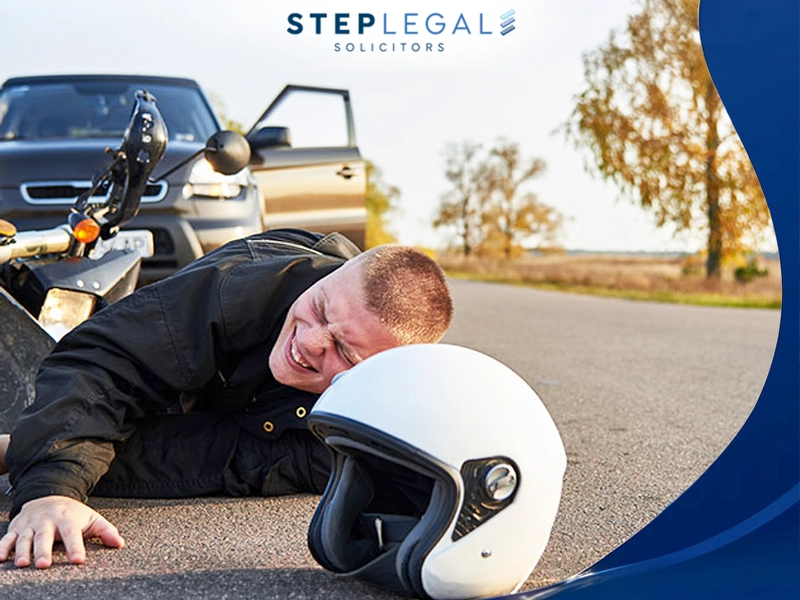
However while there are many benefits to riding there is no denying that motorcyclists face greater risks than occupants of most other vehicles. Unlike drivers travelling in cars riders have very little protection if a collision occurs. Even a relatively minor road traffic accident can result in serious injuries because the rider is directly exposed to the impact.
This does not mean that motorcycles are inherently unsafe or that every journey is dangerous. Thousands of people ride safely across the UK every day by following the Highway Code maintaining their motorcycles properly and wearing appropriate protective equipment. In many cases motorcycle accidents occur not because of the rider’s actions but because another road user fails to drive with reasonable care or attention.
Understanding the risks is essential whether you’re considering buying your first motorcycle have years of riding experience or have recently been involved in a motorcycle accident. Knowing where accidents are most likely to happen what causes them and how they can often be avoided allows riders to make informed decisions every time they get on the road.
For those who have already been injured because another person acted negligently understanding your legal rights is equally important. Depending on the circumstances you may be entitled to pursue a motorcycle accident compensation claim to recover damages for your injuries financial losses and ongoing rehabilitation.
This guide explores the realities of motorcycle safety in the UK examines the factors that contribute to accidents explains who faces the greatest risks and discusses the practical steps riders can take to stay safer on the road. We’ll also explain what options may be available if someone else’s negligence has caused your injuries.
Is Riding a Motorcycle More Dangerous Than Driving a Car?
One of the most common questions people ask before learning to ride is whether motorcycles are significantly more dangerous than cars. The short answer is yes but understanding why requires looking beyond the statistics.
Cars are built with numerous safety features designed to protect occupants during a collision. Modern vehicles include airbags reinforced passenger compartments crumple zones seatbelts electronic stability systems and advanced driver assistance technology. These features help reduce the severity of injuries when accidents occur.
Motorcycles by comparison offer very little physical protection. While helmets protective clothing and body armour can significantly reduce injury severity riders remain exposed to the force of an impact. In many motorcycle accidents the rider may be thrown from the bike increasing the likelihood of suffering serious or life-changing injuries.
The difference is not simply about protection after a crash. Motorcycles also present unique challenges while being ridden.
Their smaller size makes them less visible to other road users particularly at junctions roundabouts and when drivers are changing lanes. Many collisions occur because motorists simply fail to notice an approaching motorcycle until it is too late.
Motorcycles are also more sensitive to road conditions than four-wheeled vehicles. Hazards that might barely affect a car such as potholes loose gravel wet leaves uneven road surfaces or diesel spills can cause a rider to lose control in seconds.
Weather is another important factor. Heavy rain strong winds fog and icy roads all have a greater impact on motorcycles than cars because riders rely on balance traction and visibility to remain in control. Even experienced riders must adjust their speed and riding style when conditions deteriorate.
That said it’s important not to assume that riding a motorcycle automatically means you’ll be involved in an accident. Safe riding depends on a combination of factors including:
- Rider training and experience.
- Defensive riding techniques.
- Appropriate speed for the conditions.
- Regular motorcycle maintenance.
- Wearing suitable protective equipment.
- Remaining alert to the behaviour of other road users.
Many experienced motorcyclists spend decades riding without ever being involved in a serious collision because they understand how to identify hazards early and anticipate mistakes made by other drivers.
Unfortunately even the safest rider cannot control the behaviour of everyone else on the road. Driver negligence remains one of the leading causes of motorcycle accidents in the UK. A driver who fails to check their mirrors turns across the path of an oncoming motorcycle or changes lanes without looking can leave a rider with little or no opportunity to avoid a collision.
When this happens the consequences are often far more severe for the motorcyclist than for the driver of the other vehicle.
What Do the Latest UK Motorcycle Accident Statistics Reveal?
Official road safety statistics consistently show that motorcyclists are among the most vulnerable road users in the UK. Although motorcycles account for only a small proportion of vehicles on British roads riders are disproportionately represented in serious and fatal collisions.
This doesn’t necessarily mean motorcycles are unsafe by design. Instead the figures highlight the increased vulnerability of riders and the serious consequences that can result when accidents occur.
Government data regularly demonstrates several important trends.
Motorcyclists are significantly more likely to suffer serious injuries than occupants of cars involved in comparable collisions. Because riders lack the protective structure that surrounds drivers and passengers inside a vehicle the human body often absorbs much of the force generated during an impact.
Statistics also show that many motorcycle accidents occur in situations where another road user has failed to see the rider. Junctions remain one of the highest-risk locations with cars turning across the path of an approaching motorcycle accounting for a substantial proportion of serious crashes.
Another notable trend is that many accidents occur during daylight hours and in good weather. This surprises many people who assume poor visibility or heavy rain are the primary causes of collisions. In reality increased motorcycle use during warmer months naturally leads to more riders being on the road which can increase the number of reported accidents.
The data also indicates that certain groups of riders face greater risks than others. Newly qualified riders continue to experience higher accident rates while developing their skills and confidence. Younger riders may also be more vulnerable because of limited experience while older riders can be more susceptible to serious injuries due to age-related physical factors.
However statistics alone never tell the whole story.
Every motorcycle accident is different and the circumstances surrounding each collision must be examined individually. Road layout weather conditions vehicle speed rider behaviour driver negligence and road maintenance can all play an important role in determining how and why an accident occurred.
For this reason anyone injured in a motorcycle accident should avoid assuming they were automatically at fault simply because they were riding a motorcycle. Liability depends on the evidence not on the type of vehicle involved.
If another driver failed to observe the Highway Code drove carelessly exceeded the speed limit became distracted or otherwise acted negligently they may be legally responsible for the collision and the injuries that followed.
Similarly there are situations where poor road maintenance can contribute to a motorcycle accident. Large potholes defective road surfaces missing road signs or other hazards may give rise to a claim where a public authority or another responsible party failed to take reasonable steps to keep the road safe.
As we’ll explore later in this guide understanding the common causes of motorcycle accidents is just as important as understanding the statistics themselves. By recognising where the greatest risks exist riders can make better decisions improve their awareness and reduce the likelihood of being involved in a collision.
Why Are Motorcycles More Dangerous Than Cars?
Although every road user faces some level of risk motorcycles present a unique set of challenges that simply do not apply to cars. The issue is not that motorcycles are poorly designed or inherently unsafe. Rather riders are more exposed to hazards and have less protection when something goes wrong.
One of the biggest differences is visibility. A motorcycle occupies far less space on the road than a car making it easier for other motorists to overlook particularly in busy traffic. Drivers may check for larger vehicles before pulling out of a junction or changing lanes but fail to notice an approaching rider until it is too late. This is one of the reasons why so many collisions occur at roundabouts T-junctions and crossroads.
Another important factor is the lack of physical protection. Car occupants benefit from seatbelts airbags reinforced passenger compartments and other safety systems designed to absorb the force of an impact. Motorcyclists rely almost entirely on their riding gear and helmet to minimise injuries. While modern protective equipment can significantly reduce the severity of injuries it cannot eliminate the risk altogether.
Road conditions also affect motorcycles far more than they do larger vehicles. A pothole that causes little more than discomfort for a car driver could throw a rider off balance especially when travelling at speed. Loose gravel damaged road surfaces wet leaves standing water and diesel spills all reduce tyre grip and increase the likelihood of losing control.
Weather is another major consideration. Rain reduces visibility and lengthens braking distances while strong winds can destabilise a motorcycle particularly on exposed roads and bridges. During winter ice and frost create additional hazards because motorcycles depend on maintaining continuous traction through only two tyres. Even experienced riders often avoid travelling in severe weather unless absolutely necessary.
Despite these challenges it is important to remember that motorcycles themselves are not the primary cause of accidents. In many cases investigations show that another road user failed to exercise reasonable care. Dangerous manoeuvres distracted driving excessive speed or failing to give way are common factors in serious road traffic collisions involving motorcycles.
Good rider awareness regular maintenance and responsible riding habits can reduce many risks but they cannot always prevent accidents caused by someone else’s negligence.
Are Some Types of Motorcycles Safer Than Others?
Not every motorcycle offers the same riding experience or level of risk. Engine size riding position weight distribution and intended use can all influence how a motorcycle performs in different situations.
For new riders smaller-capacity motorcycles generally provide a more forgiving introduction to riding. Their lower power output allows learners to build confidence while developing essential skills such as braking cornering and hazard awareness. This is one of the reasons why riders usually begin with Compulsory Basic Training (CBT) before progressing to larger motorcycles through the UK’s licensing system.
Sports bikes are designed for performance and rapid acceleration making them popular among experienced enthusiasts. However their increased power means they demand greater skill and concentration. Riders who exceed speed limits or underestimate road conditions may find themselves in situations where recovering control becomes extremely difficult.
Touring motorcycles adventure bikes and cruisers are often built with comfort and stability in mind. Their riding position and handling characteristics can make long-distance journeys less physically demanding although their larger size may require more experience when manoeuvring at lower speeds.
Scooters are another popular option particularly for commuting in urban areas. While their lower speeds may reduce the severity of some collisions they remain vulnerable to many of the same risks as larger motorcycles including careless drivers poor road conditions and limited visibility.
Ultimately no motorcycle can eliminate the possibility of an accident. The safest choice is usually one that matches the rider’s experience intended use and confidence level rather than simply offering the highest performance.
Regardless of the type of motorcycle being ridden proper training sensible riding and appropriate protective clothing remain the most effective ways to improve safety.
Who Is Most at Risk of a Motorcycle Accident?
Motorcycle accidents can involve riders of any age or experience level but certain groups are statistically more likely to be involved in serious collisions.
New riders naturally face a higher level of risk because they are still developing essential road skills. Judging braking distances anticipating hazards and reacting to unexpected situations all improve with experience. During the first few years of riding confidence often grows faster than judgement which can lead to poor decision-making if riders attempt to progress too quickly.
Younger riders are also represented in accident statistics more frequently than older motorcyclists. While many young riders are responsible and safety-conscious limited road experience combined with powerful motorcycles can increase the likelihood of collisions.
Older riders face different challenges. Although they often possess decades of riding experience physical changes such as slower reaction times or reduced flexibility may affect their ability to respond to sudden hazards. Recovery from injuries may also take longer following a serious accident.
Motorcyclists who ride for work can face additional risks because they spend significantly more time on the road. Delivery riders couriers and commuters may encounter busy traffic every day increasing their exposure to potential hazards and driver error.
Weekend leisure riders present another interesting group. Some only use their motorcycles occasionally meaning their riding skills may not remain as sharp as those who ride regularly throughout the year. Returning to riding after several months away from the road can require a period of readjustment.
While different groups face different challenges one fact remains consistent. The behaviour of other road users continues to play a significant role in many motorcycle accidents. A careful rider may still be placed in danger by a motorist who is distracted impatient or simply fails to observe a motorcycle approaching.
Where and When Do Most Motorcycle Accidents Happen?
Motorcycle accidents can happen almost anywhere but certain locations consistently present a greater level of risk.
Junctions remain one of the most common sites for collisions. Drivers turning right across the path of an approaching motorcycle pulling out from side roads without adequate observation or misjudging a rider’s speed are all frequent causes of accidents. Because motorcycles are smaller than cars they can sometimes be overlooked during these manoeuvres.
Roundabouts create similar challenges. Multiple vehicles entering and leaving from different directions require every road user to remain alert. A momentary lapse in concentration can result in a serious collision.
Urban areas often experience a high number of motorcycle accidents because of increased traffic density. Congestion pedestrians cyclists parked vehicles and frequent junctions all create situations where hazards can develop quickly. Filtering through slow-moving traffic while legal when carried out safely also requires careful judgement and awareness.
Rural roads present a different set of dangers. Although traffic volumes may be lower higher speed limits sharp bends uneven road surfaces and limited visibility can make country roads particularly hazardous for motorcyclists. Unexpected hazards such as mud loose gravel or agricultural vehicles can appear with very little warning.
Motorways are often viewed as dangerous because of the higher speeds involved. However they generally have fewer junctions and conflicting traffic movements than many A-roads or urban streets. For experienced riders consistent traffic flow and well-maintained road surfaces can actually make motorway travel comparatively safer than many other types of road.
Time of year also influences accident patterns. Spring and summer usually see an increase in motorcycle traffic as more riders take advantage of favourable weather. While better conditions improve visibility and road grip the greater number of motorcycles on the road naturally leads to more reported incidents.
Many accidents also occur during daylight hours rather than at night. This demonstrates that visibility alone is not always the determining factor. Driver observation decision-making and road awareness often play a much greater role than darkness itself.
Understanding where accidents are most likely to happen allows riders to adjust their approach accordingly. Slowing down when approaching junctions anticipating the actions of other motorists and remaining alert to changing road conditions can significantly reduce the likelihood of becoming involved in a collision.
While adopting these habits improves safety there are situations where even the most careful rider cannot avoid an accident. When another road user acts negligently and causes injuries seeking early legal advice can help injured motorcyclists understand whether they may have grounds to pursue a motorbike accident claim and recover compensation for the physical emotional and financial impact of the collision.
What Are the Most Common Causes of Motorcycle Accidents?
Understanding what causes motorcycle accidents is one of the most effective ways to become a safer rider. While every collision is different accident investigations often reveal recurring patterns. In many cases the issue is not reckless riding but the actions of other road users who fail to recognise the presence of a motorcycle or make poor decisions behind the wheel.
By recognising these risks riders can adopt a more defensive approach and improve their ability to react before a dangerous situation develops.
Driver Negligence
Driver negligence remains one of the leading causes of motorcycle accidents throughout the UK. Motorcycles are smaller than most other vehicles making them easier to overlook when motorists are distracted or fail to carry out proper observations.
A driver who changes lanes without checking their mirrors pulls out from a side road or turns across the path of an oncoming motorcycle can leave the rider with very little time to react. Even when a motorcyclist is travelling within the speed limit and following the rules of the road another driver’s careless actions can result in a serious collision.
Common examples of negligent driving include:
- Failing to give way at junctions.
- Using a mobile phone while driving.
- Driving while distracted.
- Ignoring traffic signals.
- Following too closely.
- Changing lanes without checking blind spots.
Many of these incidents could be avoided if motorists paid closer attention to their surroundings and anticipated the presence of vulnerable road users.
Junctions and Right-Turn Collisions
Junctions consistently rank among the most dangerous locations for motorcyclists.
One of the most common scenarios involves a driver turning right across the path of an approaching motorcycle after incorrectly judging its speed or simply failing to see it altogether.
Because motorcycles present a smaller visual profile than cars drivers may mistakenly believe they have enough time to complete the manoeuvre when they do not. The result is often a high-impact collision that leaves the rider with little opportunity to avoid the crash.
Roundabouts can create similar risks. Multiple vehicles entering and leaving from different directions require every driver to maintain good observation. A momentary lapse in concentration can have devastating consequences for a motorcyclist.
Excessive Speed
Speed plays a role in many road traffic accidents regardless of the type of vehicle involved.
Travelling above the speed limit reduces the amount of time available to react to hazards while significantly increasing stopping distances. Even where the speed limit is not exceeded travelling too quickly for the prevailing road or weather conditions can make it impossible to avoid an obstacle or another vehicle.
For motorcyclists speed also affects stability when cornering braking and changing direction. Entering bends too quickly or accelerating aggressively on unfamiliar roads can reduce the margin for error considerably.
Responsible riders understand that safe riding is not simply about complying with speed limits. It also means adjusting speed to suit visibility traffic conditions and the condition of the road surface.
Distracted Driving
Modern vehicles contain more technology than ever before but distractions remain one of the greatest threats to road safety.
Drivers who glance at a mobile phone adjust satellite navigation systems or become distracted by passengers may fail to notice a motorcycle approaching. Because riders are less visible than larger vehicles even a brief lapse in concentration can be enough to cause a collision.
Distraction is not limited to drivers. Motorcyclists must also remain focused throughout every journey. Looking away from the road for even a few seconds can reduce the time available to react to changing traffic conditions or unexpected hazards.
Maintaining full concentration is essential particularly in busy urban environments where pedestrians cyclists and other vehicles constantly interact.
Unsafe Overtaking
Overtaking requires careful judgement from every road user.
Drivers who attempt to overtake without sufficient visibility or fail to allow adequate space can force riders into dangerous positions. Equally motorcyclists who overtake without considering hidden junctions bends or oncoming traffic increase their own risk of being involved in a collision.
The safest approach is always to complete overtaking manoeuvres only when there is a clear view of the road ahead and sufficient space to do so safely.
Blind Spots
Motorcycles can disappear into a vehicle’s blind spot much more easily than larger vehicles.
This is particularly common alongside lorries vans and buses where large areas around the vehicle remain hidden from the driver’s mirrors.
Riders should avoid remaining alongside larger vehicles for extended periods and position themselves where they are more likely to be seen. Likewise drivers should always perform shoulder checks before changing lanes rather than relying solely on mirrors.
Mechanical Problems
Although less common than human error mechanical defects can also contribute to motorcycle accidents.
Poorly maintained brakes worn tyres faulty lights or steering problems can all reduce a motorcycle’s ability to respond safely during an emergency.
Routine servicing and pre-ride inspections help identify issues before they become dangerous. Riders should regularly check tyre pressures tread depth brake performance chain condition and lighting systems to ensure the motorcycle remains roadworthy.
Proper maintenance not only improves safety but can also extend the lifespan of the motorcycle.
How Do Road and Weather Conditions Affect Motorcycle Safety?
Unlike cars motorcycles depend on just two tyres to maintain grip with the road surface. This makes them considerably more sensitive to changes in road conditions.
Even hazards that appear insignificant to other motorists can create serious difficulties for riders.
Poor Road Surfaces
Damaged roads are a particular concern for motorcyclists.
Potholes broken tarmac uneven surfaces and poorly repaired sections of road can unsettle a motorcycle especially when travelling at higher speeds. Hitting a deep pothole may damage the wheels or suspension while sudden steering corrections can cause the rider to lose balance.
Loose gravel creates similar problems by reducing tyre grip particularly when cornering or braking.
Where road defects have been ignored despite being reported they may become relevant when determining liability following an accident.
Oil and Diesel Spills
Motorcycles rely heavily on tyre grip for acceleration braking and cornering.
Oil diesel and other substances on the road surface dramatically reduce traction making it much easier for tyres to slide unexpectedly.
Unlike larger vehicles motorcycles have little margin for recovering from a sudden loss of grip particularly when leaning through bends.
Heavy Rain
Rain affects motorcycle safety in several ways.
Road markings become slippery braking distances increase and visibility is reduced for both riders and other motorists.
During the first few minutes of rainfall oil and dirt already present on the road surface mix with water to create particularly slippery conditions. Riders who reduce their speed and leave greater stopping distances are generally better able to manage these hazards.
Strong Winds
Crosswinds can affect motorcycle stability far more than they affect cars.
Open bridges exposed countryside and overtaking large vehicles all create situations where sudden gusts may push a motorcycle off its intended line.
Experienced riders often compensate by adjusting their road position and maintaining a firm but relaxed grip on the handlebars.
Fog and Reduced Visibility
Fog significantly reduces the distance at which hazards become visible.
Drivers may struggle to identify motorcycles until they are much closer than normal making collisions more likely if speeds are not reduced.
Using appropriate lighting wearing high-visibility clothing and allowing extra stopping distance can help improve safety during poor visibility.
Ice and Frost
Few road conditions present greater danger to motorcyclists than ice.
Even small patches of black ice can cause tyres to lose grip instantly leaving the rider with virtually no opportunity to recover.
Whenever possible many experienced riders choose to avoid travelling during icy conditions altogether.
What Are the Most Common Motorcycle Accident Injuries?
Motorcycle accidents can result in a wide range of injuries from relatively minor cuts and bruises to life-changing conditions that require years of treatment and rehabilitation. The severity of an injury often depends on factors such as the speed of the collision the type of impact whether protective clothing was worn and how the rider landed after being thrown from the motorcycle.
Unlike occupants of cars motorcyclists do not have the protection of a reinforced vehicle structure. As a result even low-speed accidents can lead to significant physical and psychological trauma.
One of the most serious injuries riders can suffer is a head or brain injury. Although wearing an approved helmet dramatically reduces the risk of severe trauma it cannot prevent every injury. Traumatic brain injuries can affect memory concentration speech mobility and independence while severe cases may require lifelong medical care and ongoing support.
Spinal injuries are another major concern. Damage to the spine can affect movement and sensation with some riders experiencing permanent disabilities. Recovery often involves lengthy hospital treatment physiotherapy and specialist rehabilitation programmes aimed at helping individuals regain as much independence as possible.
Broken bones are among the most common injuries following a motorcycle accident. Arms wrists shoulders ribs hips and legs frequently absorb the impact when a rider is thrown from their bike. While many fractures heal successfully more complex injuries can require surgery metal implants and months of rehabilitation before normal activities can resume.
Motorcyclists are also vulnerable to road rash which occurs when the skin scrapes along the road surface during a fall. Depending on its severity road rash may require skin grafts and can leave permanent scarring. Protective clothing plays an important role in reducing the likelihood and severity of these injuries.
Internal injuries can be particularly dangerous because they are not always immediately obvious. Damage to internal organs or internal bleeding may not produce noticeable symptoms straight away making it essential to seek medical attention after any significant motorcycle accident even if injuries initially appear to be minor.
The psychological effects of a collision should not be overlooked either. Many riders experience anxiety depression or post-traumatic stress following a serious accident. Some lose confidence in riding altogether while others struggle to return to work or resume their normal daily routines. Emotional recovery is just as important as physical recovery and may require counselling or specialist treatment.
When another person’s negligence has caused these injuries compensation may help cover medical treatment rehabilitation lost income and other financial losses while supporting the rider’s recovery.
How Can You Reduce Your Risk of a Motorcycle Accident?
Although it is impossible to remove every risk associated with riding there are many practical steps that can significantly improve safety.
One of the most effective approaches is defensive riding. Rather than assuming other motorists have seen you defensive riding encourages you to anticipate mistakes before they happen. This means slowing down when approaching junctions watching for vehicles that may pull out unexpectedly and maintaining a position on the road that maximises your visibility.
Continuous learning also makes a significant difference. Even experienced riders benefit from advanced rider training which helps develop hazard perception emergency braking techniques and better decision-making in challenging situations. Road conditions vehicle technology and traffic patterns change over time so regularly refreshing your skills can improve both confidence and safety.
Routine maintenance is equally important. Before setting off riders should ensure their tyres brakes lights mirrors and chain are all in good condition. A simple pre-ride inspection can identify problems before they become serious safety risks.
Planning ahead is another habit shared by experienced motorcyclists. Checking the weather forecast allowing extra time for journeys and avoiding unnecessary risks during poor conditions can all reduce the chances of being involved in an accident.
Perhaps most importantly riders should never allow confidence to become complacency. Experience is valuable but every journey presents different hazards. Remaining alert and adapting to changing road conditions helps minimise unnecessary risks.
What Safety Equipment Should Every Motorcyclist Wear?
Protective equipment cannot prevent every injury but it can significantly reduce the severity of injuries if an accident occurs.
An approved motorcycle helmet is the single most important piece of safety equipment. It provides essential protection against head injuries and is a legal requirement for riders on UK roads. Helmets should fit correctly be securely fastened and meet recognised safety standards.
Protective jackets and trousers made specifically for motorcycling offer abrasion resistance and often include CE-approved armour to protect vulnerable areas such as the shoulders elbows hips and knees. Unlike ordinary clothing they are designed to withstand the forces involved in a collision.
Gloves protect the hands which riders instinctively use to break a fall. Motorcycle boots provide ankle support while protecting the feet and lower legs from impact injuries and road abrasion.
Many riders also choose to wear back protectors or airbag vests which provide additional protection for the spine and chest. Although these are not compulsory they have become increasingly popular among both commuting and leisure riders.
High-visibility clothing can further improve safety by making riders easier to see particularly during poor weather or low-light conditions. While visibility alone cannot prevent every accident being more noticeable may help reduce the likelihood of another driver overlooking an approaching motorcycle.
What Should You Do Immediately After a Motorcycle Accident?
The moments following a motorcycle accident can be confusing and overwhelming particularly if injuries have been sustained. However taking the right steps can protect both your health and any future compensation claim.
Your first priority should always be safety. If possible move to a safe location away from traffic and call the emergency services if anyone has been injured. Even where injuries appear minor seeking prompt medical attention is essential because some conditions particularly head injuries and internal injuries may not become obvious until later.
If you are able to do so safely gather evidence at the scene. Photographs of the vehicles involved road layout weather conditions damage to the motorcycle and any visible injuries can all prove valuable later. Witness contact details should also be obtained wherever possible as independent accounts may help establish exactly how the collision occurred.
The accident should be reported to your insurer but you should avoid admitting liability before the circumstances have been fully investigated. Determining fault often requires consideration of witness evidence vehicle damage police reports and other available information.
Keeping records of medical appointments treatment costs travel expenses and any time taken off work is also advisable. These documents may later support a claim for compensation if another party is found to have been responsible for the accident.
If the collision was caused by someone else’s negligence obtaining early legal advice can help you understand your rights preserve important evidence and begin the process of seeking compensation while you focus on your recovery.
Can You Claim Compensation After a Motorcycle Accident?
Being involved in a motorcycle accident can have far-reaching consequences. Alongside physical injuries many riders face financial difficulties emotional distress and lengthy periods away from work. Medical treatment rehabilitation motorcycle repairs and lost income can quickly place significant pressure on both the injured person and their family.
If the accident was caused wholly or partly by someone else’s negligence you may be entitled to make a motorbike accident claim. Compensation is intended to place the injured person as far as possible in the position they would have been in had the accident not occurred. While no amount of money can undo the effects of a serious collision a successful claim can help provide financial stability while recovery continues.
Every accident is different so eligibility depends on the individual circumstances rather than the severity of the injuries alone. Establishing who was responsible is one of the most important aspects of any claim.
Who Can Make a Motorcycle Accident Claim?
Motorcyclists are not the only people who may be entitled to seek compensation following a collision.
Depending on the circumstances a claim may be available if you were:
- Riding a motorcycle.
- A passenger on a motorcycle.
- Injured by another vehicle while riding.
- Hit by a driver who failed to give way.
- Involved in a collision caused by defective road conditions.
- Injured because of another person’s careless or dangerous driving.
In some situations liability may rest with more than one party. For example another driver may have caused the initial collision while poor road maintenance increased the severity of the accident. Each case must be assessed on its own facts before responsibility can be determined.
Who Could Be Responsible for a Motorcycle Accident?
Contrary to popular belief motorcyclists are not automatically considered responsible simply because they were riding a motorcycle.
Liability depends on the available evidence and whether another person or organisation failed to meet the required standard of care.
Responsibility may rest with:
- A driver who failed to observe the Highway Code.
- A motorist who changed lanes without checking mirrors or blind spots.
- A driver who pulled out from a junction without giving way.
- A speeding or distracted driver.
- A local authority responsible for maintaining the road.
- Another organisation whose negligence contributed to the accident.
There are also circumstances where more than one party shares responsibility. This is known as contributory negligence and it does not necessarily prevent an injured rider from recovering compensation. Instead compensation may be adjusted to reflect each party’s level of responsibility.
For this reason riders should avoid assuming they cannot claim simply because they believe they may have contributed to the accident. Every case deserves careful legal assessment.
What Evidence Can Strengthen a Motorcycle Accident Claim?
Strong evidence is often the foundation of a successful claim. The more information available about how the accident happened and the injuries sustained the easier it becomes to establish liability and accurately value the claim.
Medical records are among the most important pieces of evidence. They document the injuries suffered the treatment received and the likely long-term impact on the injured person’s health. Hospital records GP notes and reports from medical specialists may all form part of the evidence.
Photographs taken at the scene can also prove extremely valuable. Images showing vehicle positions damage skid marks weather conditions road signs and the surrounding environment help create a clearer picture of how the collision occurred.
Where available dashcam footage or helmet camera recordings can provide independent evidence of the events leading up to the accident. Similarly CCTV footage from nearby businesses or traffic cameras may support the injured rider’s version of events.
Independent witnesses often play an important role particularly where liability is disputed. Individuals who saw the collision may be able to confirm what happened without having any personal interest in the outcome of the claim.
Police reports can also assist where officers attended the scene especially if criminal offences such as dangerous driving or driving under the influence were investigated.
Finally keeping receipts and financial records is essential. These documents help demonstrate the financial impact of the accident and may include:
- Medical expenses.
- Prescription costs.
- Travel expenses.
- Motorcycle repair or replacement costs.
- Loss of earnings.
- Care and assistance provided by family members.
Comprehensive evidence not only improves the prospects of success but also helps ensure compensation accurately reflects both current and future losses.
What Can You Claim Compensation For?
A motorcycle accident can affect almost every aspect of a person’s life. Compensation is therefore designed to address both the physical injuries suffered and the financial consequences that follow.
The exact amount awarded depends on the individual circumstances of each claim including the severity of the injuries recovery time and the long-term impact on employment and daily life.
Compensation generally falls into two broad categories.
General Damages
General damages compensate for the pain suffering and loss of amenity caused by the accident.
This includes the physical injuries themselves together with the impact they have had on the injured person’s quality of life. Factors such as ongoing pain permanent disability reduced mobility and psychological trauma are all considered when assessing this part of the claim.
Where catastrophic injuries have been sustained compensation may also reflect the lifelong effect on independence relationships and future opportunities.
Special Damages
Special damages cover the financial losses resulting from the accident.
These losses may include:
- Loss of earnings while recovering.
- Future loss of income where returning to work is not possible.
- Medical treatment and prescription costs.
- Physiotherapy and rehabilitation expenses.
- Travel costs to hospital appointments.
- Repair or replacement of damaged riding equipment.
- Motorcycle repair or replacement costs.
- Care provided by professional carers or family members.
- Home adaptations where serious injuries require changes to living arrangements.
In more complex personal injury claims future financial losses can form a significant part of the overall compensation award. Where injuries prevent someone from returning to their previous occupation or require ongoing medical treatment for many years these future needs are carefully considered before any settlement is reached.
How Much Compensation Could You Receive?
One of the most common questions following a motorcycle accident is how much compensation may be available.
There is no standard payment because every claim is assessed individually. Two people with similar injuries may receive different amounts depending on how the accident has affected their lives.
Several factors influence the value of a claim including:
- The nature and severity of the injuries.
- The length of recovery.
- Whether permanent disability has occurred.
- The impact on employment and future earning capacity.
- Ongoing medical treatment and rehabilitation needs.
- Psychological injuries.
- Financial losses already incurred.
- Future care requirements.
Rather than focusing solely on the injury itself compensation aims to recognise the overall impact the accident has had on the injured person’s life both now and in the future.
For riders who have suffered serious injuries obtaining specialist legal advice at an early stage can help ensure that all current and future losses are properly identified before a settlement is agreed.
How Does the Motorcycle Accident Claims Process Work?
Many people hesitate to begin a compensation claim because they are unsure what the process involves. While every case is different most motorcycle accident claims follow a similar series of steps. Understanding what happens at each stage can make the experience less daunting and help injured riders know what to expect.
The process usually begins with an initial assessment of the accident. This allows a solicitor to consider how the collision happened who may have been responsible and whether there are reasonable grounds for pursuing a claim. At this stage details about the accident injuries and financial losses are reviewed to build a clear picture of the circumstances.
Once the claim begins the focus shifts to establishing liability. This involves reviewing the available evidence obtaining accident reports where necessary and considering whether another road user organisation or public authority failed to exercise reasonable care.
Medical evidence also plays an important role throughout the process. An independent medical assessment is normally arranged to evaluate the injuries expected recovery period and any long-term effects. Rather than simply confirming that injuries occurred these reports help assess how the accident has affected the injured person’s ability to work carry out everyday activities and enjoy life.
If liability is accepted negotiations usually take place to reach a fair settlement. Many motorcycle accident claims are resolved without the need for court proceedings. However if responsibility is disputed or a reasonable settlement cannot be agreed court action may become necessary. Even then most cases settle before reaching a final hearing.
The time required to conclude a claim depends on its complexity. Claims involving relatively straightforward injuries may be resolved within several months while serious injury cases requiring ongoing treatment can take considerably longer because the long-term impact needs to be properly understood before compensation is finalised.
Can You Make a No Win No Fee Motorcycle Accident Claim?
Many people worry that pursuing compensation will involve significant legal costs. For this reason many solicitors offer No Win No Fee agreements formally known as Conditional Fee Agreements.
A No Win No Fee arrangement allows eligible claimants to pursue compensation without paying legal fees upfront. If the claim does not succeed they generally do not pay their solicitor’s legal fees subject to the terms of the agreement.
This approach makes legal representation more accessible to people who may otherwise be unable to afford it. Instead of worrying about immediate legal costs injured riders can focus on their recovery while their claim progresses.
Before entering into any agreement it is important to understand how success fees and any deductions from compensation may apply. A solicitor should explain these terms clearly so that claimants know exactly how the funding arrangement works.
Frequently Asked Questions About Motorcycle Accidents
Are motorcycles more dangerous than cars?
Generally yes. Motorcyclists have less physical protection than car occupants making them more vulnerable if a collision occurs. However responsible riding appropriate protective equipment and ongoing training can significantly reduce the risks.
Can you claim compensation if another driver caused the accident?
Yes. If another road user was negligent and their actions caused your injuries you may be entitled to pursue a compensation claim for both your injuries and any related financial losses.
Can you still claim if you were partly responsible?
Possibly. Some motorcycle accidents involve shared responsibility. In these situations compensation may still be available although the amount awarded could be reduced to reflect the injured person’s contribution to the accident.
Is there a time limit for making a motorcycle accident claim?
In most cases personal injury claims in England and Wales must be started within three years of the date of the accident or the date you became aware that your injuries were linked to it. There are exceptions particularly where children or individuals lacking mental capacity are involved.
What should you do if the driver leaves the scene?
You should report the incident to the police as soon as possible and seek medical attention if required. Claims involving uninsured or untraced drivers may still be possible through the appropriate compensation schemes.
Can poor road conditions cause a motorcycle accident?
Yes. Defects such as large potholes loose gravel or poorly maintained road surfaces can contribute to motorcycle accidents. Where those responsible for maintaining the road failed to take reasonable action it may be possible to pursue a claim depending on the circumstances.
Will wearing protective clothing affect a compensation claim?
Protective clothing does not determine whether you can make a claim. However wearing appropriate safety equipment may reduce the severity of injuries and demonstrates that you took reasonable steps to protect yourself while riding.
Conclusion
Motorcycling remains one of the most enjoyable ways to travel offering freedom convenience and an unrivalled riding experience. However it also comes with greater risks than many other forms of transport. Riders have less protection than occupants of cars and are more exposed to hazards such as careless drivers poor road conditions and changing weather.
Understanding these risks is the first step towards becoming a safer rider. Defensive riding regular motorcycle maintenance suitable protective equipment and continuous training can all help reduce the likelihood of being involved in a collision. While these measures cannot eliminate every danger they can significantly improve safety on the road.
Unfortunately even the most experienced riders cannot control the actions of others. When a motorcycle accident is caused by another person’s negligence the consequences can be life-changing affecting health finances and everyday life for months or even years.
Knowing your legal rights can be just as important as understanding road safety. If you have suffered injuries because of someone else’s carelessness obtaining legal advice at an early stage can help you understand whether you may be entitled to make a motorcycle accident compensation claim. A successful claim can provide financial support for medical treatment rehabilitation loss of earnings and other expenses allowing you to focus on what matters most your recovery.