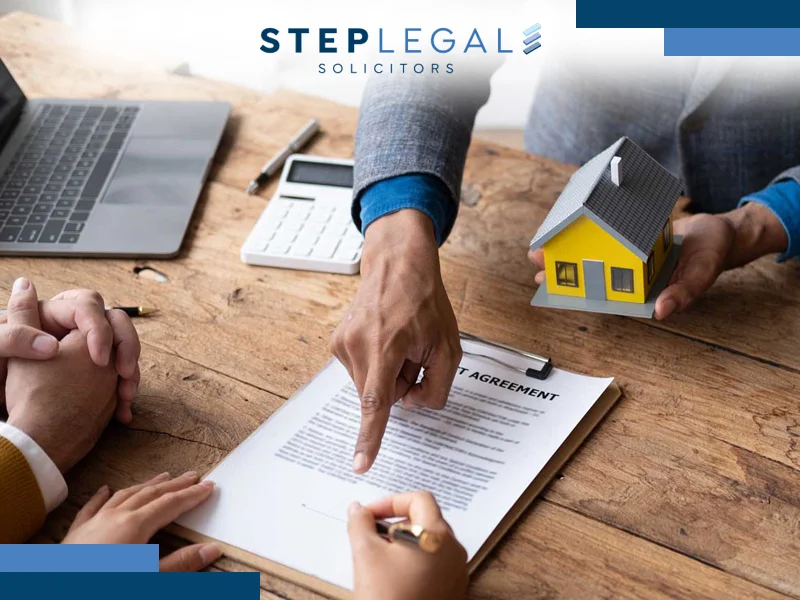
Conveyancing Process in the UK — Step-by-Step Guide, Timeline & Costs
Buying or selling a property in the United Kingdom can often feel like a long, drawn-out process of endless paperwork and complex legal jargon. Conveyancing is the process at the heart of every property transaction, whether you’re a first-time buyer, a seasoned investor, or a homeowner preparing to sell.
Conveyancing is the legal transfer of property ownership from one person to another. It ensures that when you hand over money for a home, you receive full and legitimate ownership rights free from undisclosed debts, disputes, or hidden issues. In this detailed guide, we’ll walk through every stage of the conveyancing process step by step, explaining how it works, how long it takes, what it costs, and how you can make it as smooth and stress-free as possible.
This isn’t just a technical overview it’s a practical roadmap written in plain English to help you understand what happens why it matters and what to expect at each stage of your property journey.
What Is Conveyancing and Why Is It Important?

In simple terms, conveyancing is the legal process that transfers property ownership. When you buy or sell a home, it’s not enough to exchange money and keys – the law requires a formal legal transfer recorded with HM Land Registry. This process involves verifying that the seller legally owns the property, confirming that there are no outstanding debts or restrictions, preparing legal contracts, managing the financial transfers and finally, registering the buyer as the new legal owner.
Conveyancing protects everyone involved. For buyers, it ensures that the property they are purchasing is legitimate, free from hidden risks and that all necessary approvals and searches have been completed. For sellers it provides assurance that they will receive the agreed payment and that the transfer is legally binding. Without conveyancing, you could unknowingly buy a property with boundary disputes, an unmarketable title or structural issues, amongst a litany of other issues that can become your responsibility after completion.
Who Carries Out Conveyancing in the UK?

Conveyancing is usually carried out by either a solicitor or a licensed conveyancer. Both are legally qualified professionals who specialise in property law. Solicitors are regulated by the Solicitors Regulation Authority (SRA) while licensed conveyancers are governed by the Council for Licensed Conveyancers (CLC).
Both perform similar roles, checking property titles, preparing contracts, handling money transfers and liaising with all parties involved. The difference often lies in the type of firm and the range of services offered. Solicitors can also handle related legal matters, such as disputes or wills, while licensed conveyancers tend to focus exclusively on property transactions.
While some people consider DIY conveyancing, it is generally not recommended. The process involves complex legal documents and strict deadlines, and any mistake could result in serious financial loss. Moreover, most mortgage lenders will only release funds if a qualified professional handles the transaction, making professional conveyancing essential for most buyers.
When Should You Instruct a Conveyancer?

The best time to appoint a conveyancer is as soon as your offer is accepted if you’re buying or before listing your property if you’re selling. Instructing a conveyancer early allows the legal groundwork to begin immediately preventing delays later.
For buyers, your conveyancer will start by reviewing the contract, carrying out searches, liaising with the seller’s solicitor and ensuring that your mortgage lender’s requirements are met. Sellers meanwhile will need their conveyancer to prepare draft contracts confirm proof of ownership and respond to any legal enquiries raised by the buyer’s side.
Even if you’re a cash buyer it’s still strongly recommended to use a conveyancer. Cash purchases skip the mortgage approval stage but the legal checks and ownership transfer are still crucial for ensuring the property is legally sound.
How Long Does the Conveyancing Process Take?

On average, the conveyancing process in the UK takes between 8 to 12 weeks from the date your offer is accepted to completion. However the timeline can vary depending on factors such as the type of property mortgage issues local authority quirks and whether you’re part of a property chain.
A typical breakdown looks like this:
● 1–2 weeks to instruct a conveyancer and begin initial paperwork
● 2–4 weeks for searches and contract reviews
● 3–5 weeks for enquiries, mortgage approval, and negotiation
● 1–2 weeks between exchange and completion
If there’s no property chain and all documents are ready, the process can sometimes be completed in as little as six weeks. Conversely, if delays occur for example, if the buyer’s mortgage is slow to be approved or the seller must resolve a title issue it can take longer.
Step-by-Step Guide to the UK Conveyancing

Process
Step 1: Instructing a Conveyancer
Once your offer is accepted, you’ll formally instruct a conveyancer to act on your behalf. You’ll be asked to provide proof of identity (such as a passport or driving licence), proof of address, and details of your estate agent, mortgage lender and the property.
Your conveyancer will send you a client care letter outlining their terms, estimated costs and the steps they’ll take during the process. You’ll need to sign and return this before work begins. At this stage, it’s helpful to ask your conveyancer for a breakdown of fees, including disbursements, additional costs such as searches, Land Registry fees and bank transfers.
Step 2: The Draft Contract Stage
The seller’s conveyancer will prepare a draft contract pack, which includes:
● The official title deed from HM Land Registry
● Completed property information forms (TA6, TA10, and TA13)
● The Energy Performance Certificate (EPC)
● Any relevant guarantees or planning permissions
The buyer’s conveyancer reviews these documents to ensure everything is in order and that there are no restrictions or disputes affecting the property. If anything unusual appears, such as shared access rights or missing permissions for extensions, the conveyancer will raise further enquiries with the seller’s solicitor.
Step 3: Conducting Property Searches
Property searches are a critical part of the buyer’s due diligence. These are official investigations into any potential legal or environmental issues affecting the property. The main searches include:
1. Local Authority Search, which checks planning permissions, building regulation compliance, and any proposed roadworks.
2. Environmental Search, which assesses flood risks, contamination, or landfill proximity.
3. Water and Drainage Search, confirming whether the property is connected to mains water and sewer systems.
4. Land Registry Search, ensuring the seller owns the property and there are no undisclosed restrictions.
These searches can take anywhere from a few days to several weeks, depending on the local authority’s turnaround time. Your conveyancer will review the results carefully and explain any potential risks or concerns.
Step 4: Raising Enquiries
After reviewing the search results and draft contract, the buyer’s conveyancer will raise enquiries, a series of formal questions for the seller’s side. These may relate to boundaries, planning permissions service charges or any unusual aspects of the property.
The seller’s solicitor must respond with clear answers supported by evidence or documentation where needed. This stage can take time especially if the seller needs to locate old documents or contact a management company for information on leasehold properties. Once all enquiries are resolved both parties can move toward finalising the contract.
Step 5: Mortgage Offer and Contract Signing
When the buyer’s mortgage lender approves the loan, the formal mortgage offer is sent to both the buyer and their conveyancer. The conveyancer will review the terms to ensure they match the property and the buyer’s expectations. If there are any special conditions, for example, requirements for specific insurance, these will be confirmed before proceeding.
At this stage the buyer signs the mortgage deed, committing to the loan terms. Both parties also sign their respective copies of the contract of sale, ready for exchange. However, the exchange does not happen until both sides are fully satisfied and ready to commit legally.
Step 6: Exchange of Contracts
The exchange of contracts is the point at which the transaction becomes legally binding. Until this moment either party can withdraw without penalty, but once contracts are exchanged, both sides are committed to completing the sale.
On exchange day both conveyancers agree to the final terms over the phone and confirm that signed contracts and deposits are in place. The buyer usually pays a deposit of 10% of the purchase price, which is transferred to the seller’s solicitor. A completion date is agreed upon, often one to two weeks later, to allow both parties to prepare for moving.
From this point on, neither side can back out without facing serious financial consequences.
Step 7: Completion Day
Completion is the day ownership officially changes hands. The buyer’s conveyancer transfers the remaining balance of the purchase price to the seller’s solicitor, who confirms receipt and authorises the estate agent to release the keys.
For the buyer, this is the moment they can collect the keys and move into their new home. For the seller this is when any outstanding mortgage is redeemed, and any remaining funds are transferred to their account. Conveyancers will also confirm completion to all relevant parties including the mortgage lender and estate agent.
Step 8: Post-Completion Tasks
After completion, several administrative steps remain. The buyer’s conveyancer will:
● Pay Stamp Duty Land Tax (SDLT) to HMRC within 14 days.
● Register the buyer’s ownership with HM Land Registry.
● Send a copy of the updated title register to the buyer and mortgage lender.
Only once registration is complete does the buyer officially appear as the property’s legal owner on public records.
Conveyancing for Leasehold Properties
Leasehold transactions are more complex than freeholds because they involve multiple parties – the leaseholder, the freeholder and often a management company. The conveyancer must check the lease length, ground rent, service charges and any restrictions or obligations.
If the remaining lease is too short (usually under 80 years), the buyer may struggle to secure a mortgage, so the conveyancer will advise whether a lease extension is needed. Communication with the managing agent or landlord can also slow the process, which is why leasehold sales typically take a few weeks longer.
The Draft Contract Stage

The draft contract marks the start of formal communication between the buyer’s and seller’s conveyancers. After being instructed, the seller’s conveyancer gathers all the relevant legal documents to prepare what’s known as the “contract pack.” This includes the
title deed (proving ownership), completed property information forms, the Energy Performance Certificate (EPC) and any warranties, guarantees, or planning permissions.
These forms are vital because they tell the buyer what they’re really getting. For instance, the TA6 form details the property’s boundaries utility disputes and recent improvements, while the TA10 form covers fixtures and fittings, confirming what’s included in the sale, such as kitchen appliances or garden sheds.
Once the buyer’s conveyancer receives the contract pack, they review it carefully to ensure everything aligns with the buyer expectations and the mortgage lender’s requirements. Any discrepancies, such as missing building approvals or shared access issues are flagged immediately. At this point the buyer’s conveyancer also starts ordering searches.
The Importance of Property Searches

Property searches are more than just paperwork, they’re the backbone of a safe property purchase. Searches reveal issues that might not be visible during a physical viewing or survey but could have serious consequences later.
The most common searches are:
1. Local Authority Search: This investigates planning decisions, building control approvals and nearby road or rail projects. If a new dual carriageway is planned right behind your garden, you’ll want to know before you buy.
2. Environmental Search: This highlights flood risks, ground contamination and historical land use. Some parts of the UK have hidden risks from old industrial sites that could affect your property’s safety and value.
3. Water and Drainage Search: This confirms whether the property is connected to mains water and sewer systems and checks for any shared pipes or maintenance responsibilities.
4. Land Registry Search: This verifies who owns the property and confirms there are no restrictions, such as covenants or rights of way, that might limit how you use it.
Your conveyancer will review the results and explain any red flags in plain English. For example, if a search reveals flood risk, they may advise further checks or specific insurance. If the local authority report shows missing building consents, your conveyancer might negotiate for the seller to provide indemnity insurance or documentation before proceeding.
The Enquiries Stage

Once the search results are back, the buyer’s conveyancer raises enquiries, formal legal questions sent to the seller’s solicitor. These cover any gaps, inconsistencies, or unclear details from the contract and searches.
For example, the buyer’s solicitor might ask:
● Has the property ever been affected by subsidence?
● Were planning permissions properly obtained for any extensions?
● Are there any disputes with neighbours?
● Are warranties for appliances or double glazing transferable?
The seller’s conveyancer must respond to these questions with evidence, such as certificates, planning documents, or written clarifications. This back-and-forth is often the longest stage of the conveyancing process because it depends on how quickly both sides can collect and verify information.
It’s also a time when communication matters most. If you’re selling, replying promptly to your solicitor’s requests helps avoid unnecessary delays. If you’re buying, stay patient, your conveyancer is protecting your interests and ensuring that no unpleasant surprises arise later.
Reviewing the Mortgage Offer

When the buyer’s mortgage is approved, both the buyer and their conveyancer receive a formal mortgage offer. The conveyancer must check every detail carefully, including the loan amount, repayment conditions, interest rate and any special clauses required by the lender.
The conveyancer also verifies that the property meets the lender’s lending criteria. For instance, if the property is a flat above commercial premises or has a short lease, the lender might require specific assurances. The buyer then signs the mortgage deed, which legally binds them to the loan terms.
At this stage, the conveyancer also prepares a financial statement showing the total amount the buyer needs to pay on completion, including the property price, Stamp Duty Land Tax (SDLT), conveyancing fees and search costs. This clarity helps buyers plan their funds and avoid last-minute confusion.
Exchange of Contracts The Point of No Return

The exchange of contracts is the most significant milestone in the entire process. Before this stage, either party can walk away without major consequences. After exchange, the
agreement becomes legally binding, and pulling out could lead to financial loss or legal action.
On the day of exchange, both conveyancers review the final contract to ensure all terms are agreed. They then arrange a telephone call known as the exchange call to confirm the details simultaneously. Once confirmed, both parties sign their copies of the contract, and the buyer transfers the deposit, usually 10% of the purchase price, to the seller’s solicitor.
The completion date, agreed upon in advance, is written into the contract. It’s usually one to two weeks later, giving both sides time to organise removals, pack, and prepare for moving day. Once contracts are exchanged, you can’t back out without losing your deposit or facing potential claims.
Preparing for Completion

The period between exchange and completion is when the final preparations take place. The buyer’s conveyancer requests mortgage funds from the lender, confirming that the money will arrive in time for completion day. The buyer must also transfer the remaining balance (minus the deposit already paid) to their solicitor’s client account before the completion date.
Meanwhile, the seller’s conveyancer ensures any existing mortgage on the property is ready to be redeemed and that outstanding bills or service charges are settled. The estate agent is also notified of the completion date so they can arrange key handover once funds are received.
Buyers are advised to arrange buildings insurance to start from the exchange date, not completion, because at that point, they become legally responsible for the property. It’s a common misconception that insurance starts on completion, but if something happened to the property between exchange and completion, the buyer could be liable.
Completion Day – The Big Moment

Completion day is the moment everyone has been waiting for. It’s when the property legally changes hands, the purchase price is paid in full, and the buyer finally gets the keys.
On the morning of completion, the buyer’s conveyancer transfers the remaining funds to the seller’s solicitor via electronic bank transfer. Once the money arrives, the seller’s conveyancer confirms receipt and authorises the estate agent to release the keys to the buyer. At that point, the property officially belongs to the buyer, and the seller vacates the premises.
For sellers, completion is the point when any outstanding mortgage is paid off and the remaining proceeds are sent to their bank account. For buyers, it’s time to celebrate, though
the conveyancer still has a few final tasks to finish after completion, such as registering ownership and paying stamp duty.
Leasehold Conveyancing Why It Takes Longer

If you’re buying or selling a leasehold property, the process is more complex than with a freehold home. Leasehold ownership means you own the property for a fixed term (for example, 125 years) but not the land it stands on which remains owned by the freeholder or landlord.
Because of this, your conveyancer must review the lease agreement carefully. They’ll check how many years remain on the lease, as short leases can make properties harder to sell or mortgage. They’ll also look at ground rent clauses, service charges and the management company’s responsibilities.
In many cases the buyer’s solicitor will need additional information from the freeholder or managing agent, such as a management information pack insurance details, and confirmation that there are no outstanding fees. Waiting for these documents can add several weeks to the process so it’s wise for sellers of leasehold properties to request them early.
Typical Timeline for Conveyancing in the UK

While no two transactions are identical, the typical conveyancing timeline looks something like this:
● Week 1–2: Instruct the conveyancer provide documents and begin contract preparation.
● Week 3–5: Searches and enquiries are carried out.
● Week 6–8: Mortgage offer received enquiries resolved contracts ready for signing.
● Week 9–10: Exchange of contracts and setting of completion date.
● Week 11–12: Completion day and handover of keys.
Of course this is only a guide. Leaseholds new builds or complex chains can extend timelines, while cash purchases or vacant properties often move faster. The key to maintaining momentum is communication staying in regular contact with your conveyancer and responding quickly to requests for information.
What Happens After Completion?

Once the sale has completed, the buyer’s conveyancer shifts focus from pre-exchange legal checks to post-completion administration. The first step is to handle Stamp Duty Land Tax (SDLT) a government tax payable on property purchases in England and Northern Ireland.
Your conveyancer will calculate how much stamp duty is due based on the property’s purchase price and your circumstances. For example, first-time buyers may qualify for a discount on homes up to £625,000, while buyers of second homes or investment properties pay a higher rate. The conveyancer then submits the SDLT return to HM Revenue & Customs and arranges payment on your behalf, usually within 14 days of completion.
Once that’s done, the conveyancer prepares the application to HM Land Registry. This is the official step that updates the ownership records to show you as the new legal owner. The application includes the signed transfer deed, mortgage deed (if applicable), and proof that stamp duty has been paid. The Land Registry then updates its database and issues a new title register, which serves as the definitive legal proof of ownership.
The registration process typically takes between two and six weeks, although it can be longer during busy periods or for leasehold properties that require additional documents. Once registration is complete, the conveyancer provides you with a copy of the updated title and notifies your mortgage lender, who will then hold the title as security until the loan is repaid.
While the post-completion stage is usually straightforward, delays and issues can arise. Sometimes, Land Registry applications are held up due to missing signatures, incorrect forms, or outstanding queries from the registry. These can usually be resolved with additional documentation or clarification from your conveyancer.
In other cases, buyers may receive notices from third parties, such as management companies for leasehold properties, requesting proof of ownership or details of the new mortgage lender. Your conveyancer can help you respond to these and ensure all necessary notices are properly served.
For leasehold buyers, post-completion also includes notifying the freeholder or managing agent of the change in ownership. The lease will usually specify that this must be done within a set time frame (often 21 days). Failing to comply can result in penalties or administrative fees, so it’s important your conveyancer handles it promptly.
If you’re selling, your conveyancer’s post-completion work includes confirming that any mortgage on the property has been fully redeemed and obtaining a mortgage discharge statement from the lender. This confirms that the loan is cleared and releases the lender’s charge from the property’s title.
What If the Sale Falls Through?

Not every property transaction reaches completion, and it’s important to understand what happens when a sale collapses mid-process. In the UK, until contracts are formally exchanged, either party can withdraw without legal consequences. However, this can still be emotionally and financially frustrating.
For buyers, the most common reasons for a sale falling through include:
● The mortgage offer being withdrawn or delayed
● Unfavourable survey results revealing major issues
● A break in the property chain if another party pulls out
● Disagreements over contract terms or completion dates
For sellers, a sale might collapse if the buyer fails to secure financing or changes their mind, or if there are title or planning issues that cannot be resolved quickly.
If the transaction collapses before exchange, the buyer generally loses only what’s been spent so far such as search fees, survey costs, or a conveyancer’s initial charges. However, if contracts have already been exchanged, the situation becomes more serious. A buyer who pulls out after exchange may lose their deposit (typically 10%) and could even be sued for breach of contract.
To minimise risk, some conveyancing firms offer a “no sale, no fee” guarantee, where you only pay for third-party costs if the sale doesn’t complete. It’s worth checking if this is available when choosing a conveyancer, especially if you’re buying in a long chain.
How to Choose the Right Conveyancer or Solicitor

Choosing the right conveyancer can make the difference between a smooth, stress-free transaction and a drawn-out, frustrating experience. There are thousands of licensed conveyancers and solicitors across the UK, so taking time to find one that fits your needs is well worth the effort.
Here are key factors to consider:
1. Qualification and Regulation
In the UK, conveyancing can be carried out by either solicitors or licensed conveyancers.
● Solicitors are regulated by the Solicitors Regulation Authority (SRA) and are qualified lawyers who may also handle other legal matters.
● Licensed conveyancers are property law specialists regulated by the Council for Licensed Conveyancers (CLC).
Both must carry professional indemnity insurance and follow strict codes of conduct. The difference often lies in scope: licensed conveyancers focus exclusively on property transactions, while solicitors can offer broader legal support, which may be helpful if your case involves complex issues like probate, shared ownership, or divorce settlements.
2. Experience and Local Knowledge
An experienced conveyancer familiar with your local area can anticipate issues related to specific developments, flood zones or local authority requirements. For example, properties in older parts of London or rural Wales may have unique legal histories or unregistered titles that need special attention.
3. Communication and Accessibility
Poor communication is one of the biggest complaints about conveyancing services. Before hiring, ask how your case will be handled: Will you have a dedicated contact person? How often will you receive updates? Will you be able to track progress online? Firms that use digital client portals often provide faster responses and clearer timelines.
4. Transparent Pricing
Always request a detailed quote that breaks down both the conveyancer’s fees and disbursements (third-party costs). Watch for hidden extras like “bank transfer fees” or “file storage charges”. A good firm will provide a written estimate at the start and keep you informed of any changes as the process unfolds.
5. Client Reviews and Recommendations
Online reviews and recommendations from friends or estate agents can help you gauge reliability. Look for consistent feedback about communication transparency and problem solving. However, remember that estate agents often have referral arrangements with conveyancers so always compare independently before deciding.
Legal Protections and Professional Standards

The UK has strict legal and regulatory protections to ensure conveyancing is conducted fairly and professionally. Every authorised conveyancer must follow ethical rules, maintain professional insurance and handle client funds in segregated accounts to prevent misuse.
● Solicitors are overseen by the Solicitors Regulation Authority (SRA) which enforces professional conduct and client care standards.
● Licensed Conveyancers fall under the Council for Licensed Conveyancers (CLC) which has similar duties of regulation, inspection and consumer protection.
Both regulators require firms to display their professional indemnity insurance details and provide a clear complaints procedure.
If something goes wrong and you’re unable to resolve it directly with your conveyancer, you can escalate the issue to the Legal Ombudsman, an independent body that handles complaints about poor service. The Ombudsman can order compensation or refunds if you’ve suffered inconvenience or financial loss due to your conveyancer’s negligence.
Additionally, the Compensation Fund operated by the SRA and CLC offers financial protection in rare cases where a conveyancer has acted dishonestly or mishandled client money.
How to Avoid Delays in the Conveyancing Process

Delays are common frustrations in property transactions, but many can be avoided with proactive planning and communication. Here are practical tips for buyers and sellers:
● Get your documents ready early: Sellers should locate title deeds, warranties and leasehold paperwork before listing the property.
● Respond quickly to your conveyancer: Delays often occur when clients take days or weeks to reply to requests for information or signatures.
● Stay in regular contact with your lender and estate agent: Ensuring everyone is updated helps keep the chain moving.
● Avoid last-minute changes: Switching mortgage lenders, renegotiating completion dates, or making unexpected alterations to contracts can trigger major hold-ups.
● Consider “chain-free” properties if possible: Buying or selling outside a chain is usually much faster since you’re not dependent on other transactions completing at the same time.
By understanding what causes delays, you can take active steps to prevent them and help your transaction progress smoothly.
Frequently Asked Questions (FAQs)
On average conveyancing takes between 8 to 12 weeks from the time an offer is accepted until completion. However, this is just an estimate; some transactions complete in as little as 4 weeks, while others can stretch to several months.
The biggest influences on timing include how quickly searches are returned, how responsive both parties are and whether you’re part of a property chain. Leasehold sales or purchases tend to take longer because additional documentation must be obtained from the freeholder or management company.
If speed is a priority, stay in close contact with your conveyancer respond to requests quickly and ensure your mortgage lender and estate agent are equally proactive.
If you’re selling, you’ll need:
● Proof of identity (passport or driving licence)
● The property title deeds or Land Registry documents
● Completed property information forms (TA6, TA10, etc.)
● Any guarantees, warranties or building regulation certificates
● Leasehold documentation if the property is leasehold
If you’re buying, you’ll also need:
● Proof of ID and address
● Evidence of funds for the deposit and purchase
● Mortgage offer (if applicable)
● Signed client care letter from your conveyancer
Having these documents ready early can prevent unnecessary delays later in the process.
Property searches are official checks your conveyancer carries out to uncover potential issues that might affect your property. They go beyond the survey (which looks at physical condition) and reveal legal or environmental risks.
The main searches, local authority drainage environmental and Land Registry, ensure the property has the right permissions and is not affected by road schemes or contamination and has clear legal ownership.
Skipping searches can be risky, especially for buyers, because lenders usually won’t approve a mortgage without them. Even for cash buyers, searches provide vital reassurance about the property history and legal standing.
Technically yes, anyone can handle their own conveyancing known as DIY conveyancing. However, it’s rarely advisable unless you’re legally trained and experienced in property law.
The process involves drafting complex legal documents, dealing with the Land Registry, calculating tax liabilities and liaising with mortgage lenders and other solicitors. A small error could lead to financial loss, delay, registration or even invalidate your purchase.
Most lenders also refuse to work with unrepresented buyers, meaning you’d have to pay in full without a mortgage. For 99% of property transactions, hiring a professional conveyancer or solicitor is the safest option
A solicitor is a qualified lawyer who can handle a wide range of legal matters, including property, wills and litigation. A licensed conveyancer specialises solely in property law and transactions.
Both are fully qualified and regulated, solicitors by the Solicitors Regulation Authority (SRA) and licensed conveyancers by the Council for Licensed Conveyancers (CLC).
The best choice depends on your circumstances. If your transaction is straightforward, a licensed conveyancer might be more cost-effective. If your case involves complex legal issues such as probate lease extensions, or matrimonial property, a solicitor may be more suitable.
Exchange of contracts is the moment when both buyer and seller become legally bound to complete the transaction. Before exchange, either party can withdraw without penalty after exchange backing out can have serious consequences.
At exchange, both parties’ conveyancers agree on the final contract terms, sign the paperwork and the buyer pays the deposit (usually 10%). The completion date is also confirmed. From this point onward, the deal is legally secure and you can confidently plan your move.